Vietnam Travel Guide 2026: The Smart Explorer's Handbook
Last Updated: October 2026
Vietnam Travel Guide 2026: The Smart Explorer's Handbook
Vietnam is one of those rare destinations that delivers on every level — and then some. Ancient history, jaw-dropping natural scenery, world-class street food, warm and welcoming people, and an extraordinary value for money that makes it accessible whether you're traveling on a shoestring or in style.
Stretching more than 1,600 kilometers from the mountainous north to the tropical south, Vietnam is really several distinct destinations in one country. The practical challenge is not finding something remarkable — it's deciding what to leave out.
This guide covers the essential destinations, a practical north-to-south itinerary, and the insider details that make the difference between a good trip and a great one.
The Classic North-to-South Route
Most travelers fly into Hanoi in the north and out of Ho Chi Minh City (Saigon) in the south — or vice versa. This one-way route eliminates backtracking and covers Vietnam's highlights logically.
Hanoi — The Soul of the North
Vietnam's capital is a city of lakes, French colonial architecture, and one of Asia's greatest street food cultures. The Old Quarter's 36 guilds streets are a maze worth getting lost in. Sit on a plastic stool at a street-side pho stall at 7 AM and you'll understand why people love this city.
- Hoan Kiem Lake and Ngoc Son Temple — the heart of the Old Quarter
- Temple of Literature — Vietnam's first university, founded in 1070
- Ho Chi Minh Mausoleum complex
- Street food: bun cha, pho, banh mi, egg coffee
- Recommended stay: 3 nights minimum
Ha Long Bay — One of the World's Great Natural Wonders
Almost 2,000 limestone karst islands rising from emerald water. Photographs don't capture it. Do a 2-night cruise rather than a day trip — the bay empties of day-trippers at sunset and becomes entirely different. Book with a reputable mid-range cruise operator for the best experience.
- Best experienced on an overnight or 2-night cruise
- Consider Bai Tu Long Bay (adjacent, fewer tourists) as an alternative
- Kayaking through caves is the highlight of any cruise
Hoi An — The Most Beautiful Town in Vietnam
The Ancient Town of Hoi An is a UNESCO World Heritage Site and genuinely one of Southeast Asia's most atmospheric places. Japanese merchant houses, Chinese assembly halls, Vietnamese tube houses — all preserved in amber along lantern-lit streets beside a river. It floods seasonally, so check before you travel.
- The Ancient Town is best explored on foot at dawn or dusk
- Cooking classes here are excellent and affordable
- An Bang and Cua Dai beaches are 15 minutes by bicycle
- Tailors can produce custom clothing in 24–48 hours
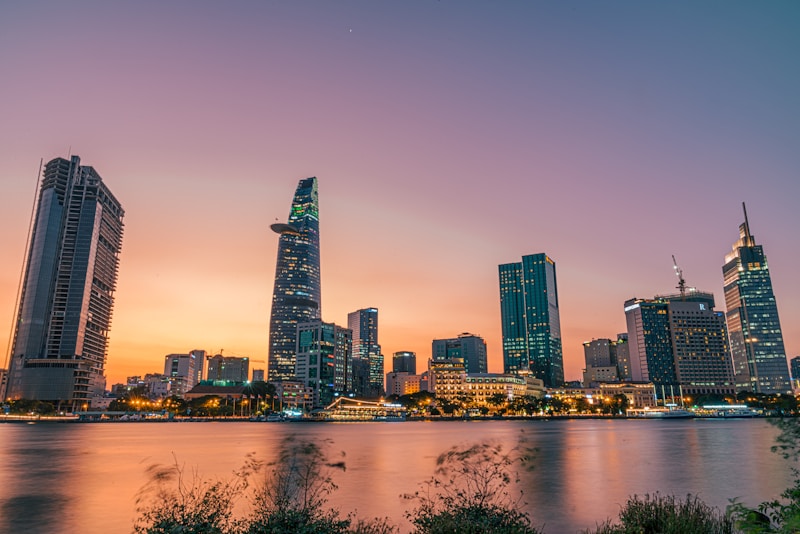
Ho Chi Minh City (Saigon) — Energy and History
Vietnam's largest city moves at a completely different frequency from Hanoi. It's faster, louder, more commercial — and equally fascinating. The Cu Chi Tunnels and War Remnants Museum provide essential historical context. The rooftop bar scene is one of Southeast Asia's best.
- Cu Chi Tunnels — a half-day trip that changes how you understand the war
- War Remnants Museum — powerful and important
- Ben Thanh Market area for street food
- District 1 for nightlife and rooftop bars
Hidden Gems Worth the Detour
- Ninh Binh — "Ha Long Bay on land" — karst mountains, rice paddies, and almost no crowds. 2 hours from Hanoi.
- Phong Nha Caves — The largest cave system in the world. Truly otherworldly. Central Vietnam.
- Mui Ne — Red and white sand dunes meeting the ocean. Surreal and unique.
- Phu Quoc Island — Vietnam's best island. Long beaches, excellent seafood markets, and rapidly developing infrastructure.
Vietnam Budget Guide 2026
| Budget Level | Daily Estimate (USD) | What It Covers |
|---|---|---|
| Backpacker | $25–45 | Hostel dorm, street food, local buses, shared tours |
| Mid-range | $70–130 | Private guesthouses, restaurant meals, occasional flights |
| Comfortable | $150–200 | Boutique hotels, quality restaurants, private transport |
| Luxury | $250+ | 5-star resorts, fine dining, private guides and boats |

Essential Vietnam Travel Tips
- Domestic flights: Vietnam is long — use budget airlines (VietJet, Bamboo) between cities. Cheap and efficient.
- Motorbike taxis: Grab (the Southeast Asian Uber) works in all major cities and is safe, reliable, and affordable.
- Bargaining: Expected in markets but not in restaurants. Start at 50% of the asking price and meet in the middle.
- Sun and heat: Central Vietnam can hit 38°C in summer. Light clothing, sun protection, and constant hydration are essential.
- Food safety: Street food is generally safe if it's hot, freshly cooked, and busy with locals. Avoid anything that's been sitting out.
- Sim card: Buy a local SIM at the airport on arrival — data is extremely cheap and coverage is excellent.
Frequently Asked Questions
Do I need a visa for Vietnam in 2026?
Vietnam offers visa-free entry to citizens of many countries for stays of up to 45 days. Citizens of some countries can apply for an e-visa online before travel. Always check the most current visa policy for your passport before booking.
What is the best time of year to visit Vietnam?
Vietnam is long and narrow, so weather varies by region. Generally, November to April is good for the south and central regions. The north is best October to April. There is no single perfect time for the whole country — plan by region.
Is Vietnam safe for solo travelers?
Yes. Vietnam is consistently rated among Asia's safest destinations for solo travelers, including solo women. Petty theft exists in busy tourist areas, so take standard precautions with bags and phones.
How much does a trip to Vietnam cost?
Vietnam is excellent value. Budget travelers can live very well on 30–50 USD per day. Mid-range is 80–130 USD. Even a comfortable, higher-end trip rarely exceeds 200 USD per day outside of luxury resorts.


Comments
Post a Comment