I Worked Remotely for 2 Years — Here's What Nobody Tells You
Last Updated: October 2026
I Worked Remotely for 2 Years — Here's What Nobody Tells You
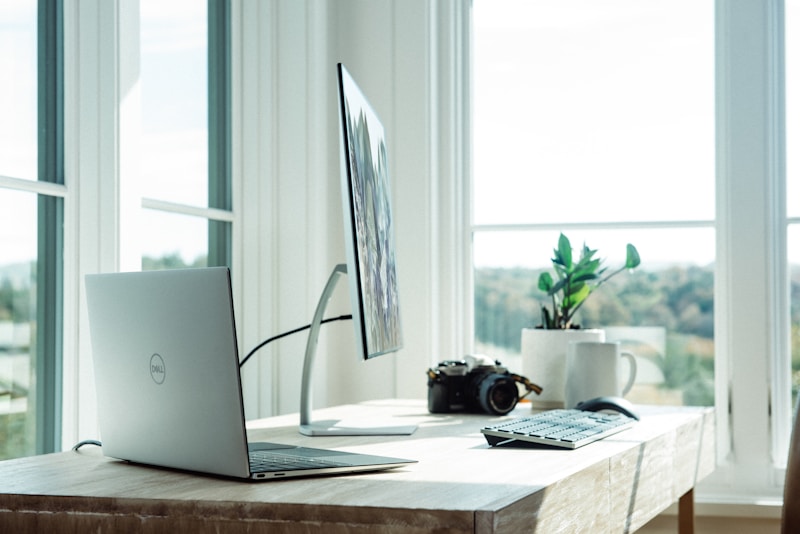
When I accepted the fully remote position, I felt like I'd won something. No commute. No open-plan office noise. No one watching when I arrived or left. Just me, my work, and complete autonomy over my day.
Two years later, the picture is more complicated — and far more interesting — than I expected. Remote work was many of the things I hoped for. It was also several things no one warned me about.
This is not a "remote work is terrible" story. It's not a "remote work is paradise" story either. It's an honest account of what actually happens when you remove the office from work — and what you have to deliberately replace.
What Was Actually Amazing
Let me start with the good, because it was real:
- Deep focus became possible. Without the constant interruptions of office life, I produced better quality work in less time. My most productive hours — which turned out to be early morning and early evening — finally matched my actual work hours.
- I got my commute hours back. I was spending roughly 2.5 hours a day in transit. That became 2.5 hours of reading, exercise, cooking, sleeping, or simply being human. The impact on my life quality was immediate and dramatic.
- I controlled my environment. Temperature, music, lighting, snacks — I could optimize my physical space in ways an open office never allows. This sounds small. It isn't.
- I discovered how I actually work. Without office culture shaping my habits, I learned what my natural rhythms actually are. That self-knowledge alone was worth the experiment.

What Nobody Warned Me About
1. The Loneliness Is Real — and Sneaky
It didn't hit me immediately. The first few weeks were liberating. Around month three, I noticed something: I was going entire days without a meaningful human interaction. Not because I was isolated by circumstance, but because work no longer provided the low-level social texture that I'd been taking for granted for years. The office provides a constant background hum of human connection. Remote work gives you silence — and silence reveals what you need to intentionally rebuild.
2. Work-Life Boundaries Collapse Without Effort
When your office is a room in your home — or worse, your living room — work has no walls. It bleeds into evenings, weekends, and the mental space between. I had to deliberately create the separation that the physical commute used to provide automatically. This took months to figure out and required real discipline to maintain.
3. Career Visibility Requires Active Effort
In an office, people see you working. They notice your presence, your effort, your personality. Remotely, you are invisible unless you make yourself visible. I had to learn to communicate my work outputs clearly, check in more intentionally, and build relationships across the organization through effort rather than proximity.
4. Your Home Changes When It Becomes Your Office
There's something about the psychological contamination of a space. My apartment used to be my refuge — the place I came back to after work. When it became the place I worked, that quality changed. I started to feel restless in it. The couch that once meant relaxation became associated with the guilt of not working. I eventually rented a coworking desk two days a week, which restored the home-as-sanctuary feeling significantly.
5. Self-Discipline Is Non-Negotiable — and Exhausting
The office supplies external structure. Remote work requires you to generate all of it internally. For some people, that's energizing. For me, maintaining consistent hours, start and stop rituals, and discipline around distractions took a real and ongoing effort. Some days it worked well. Others, I'd look up at 4 PM and realize I'd accomplished a fraction of what I intended.
What I Did to Make It Work (Eventually)
- Created a proper end-of-day ritual. At 6 PM, I closed all work tabs, wrote my three tasks for tomorrow, and physically moved away from the desk. This transition signal worked.
- Scheduled social contact like meetings. I treated lunches, coffee calls, and evening plans as non-negotiable appointments rather than optional extras.
- Used coworking spaces two days per week. The investment was worth every penny for what it did for my productivity and social sanity.
- Over-communicated with my team. When in doubt, I shared more context, more updates, more quick messages than felt natural. It prevented the "out of sight, out of mind" problem.
- Protected my mornings. No Slack, no email, no meetings before 10 AM on most days. Two hours of deep work at the start of every day made everything else better.
Would I Do It Again?
Yes. Without hesitation. But knowing what I know now, I would approach it differently from day one: build the social infrastructure before you need it, create the physical and temporal boundaries before the work expands to fill every space, and treat the loneliness risk as a real variable to plan around rather than a weakness to push through.
Remote work is not passive freedom. It's active responsibility. And for people who are willing to do that work — the work of building structure, connection, and discipline intentionally — it is genuinely one of the best arrangements modern work has ever offered.

Frequently Asked Questions
Is remote work really better than office work?
It depends entirely on the person and the role. Remote work offers genuine freedom and flexibility but requires strong self-discipline, intentional social connection, and clear work-life boundaries that the office automatically provides. Many people thrive remotely; others find it isolating and difficult.
How do you avoid feeling isolated when working from home?
Proactively schedule social contact — coworking spaces, regular calls with colleagues, lunch with friends, evening activities. Isolation in remote work is almost always the result of leaving social connection to chance rather than intentionally building it.
How do you separate work from life when working from home?
Set specific start and stop times and honor them. Create a physical separation if possible — a dedicated workspace that you leave at the end of the workday. An end-of-day shutdown ritual helps signal to your brain that work is over.
Does remote work hurt your career advancement?
It can, if you're not intentional about visibility. In remote environments, the people who advance are those who communicate clearly, deliver visible results, and build relationships across the organization despite the distance. Out of sight doesn't have to mean out of mind.


Comments
Post a Comment