How to Travel on a Budget Without Missing Out
How to Travel on a Budget Without Missing Out: The Smart Traveler's Guide for 2026
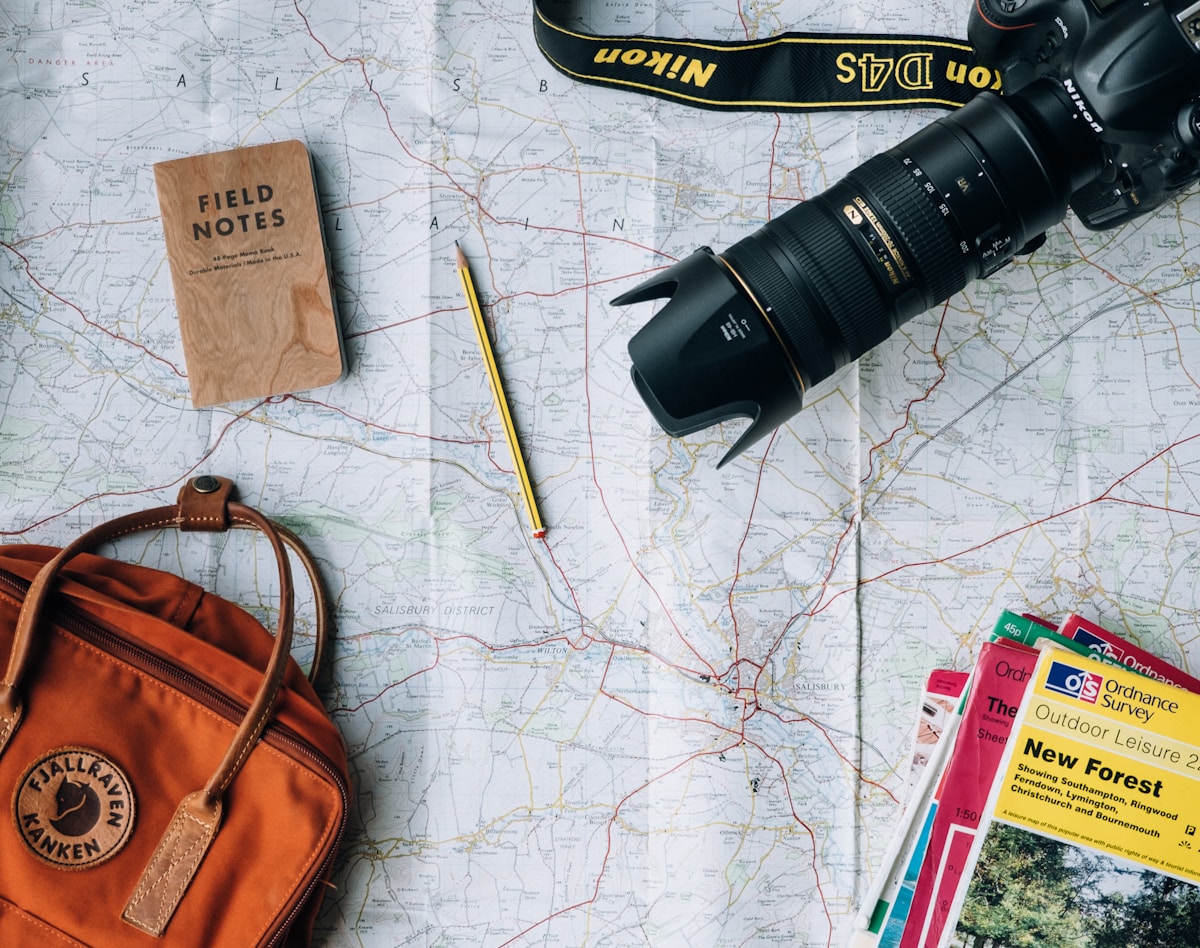
There is a quiet lie in travel culture: that a good trip has to be expensive. That the best experiences are behind paywalls, that hostels are for students, and that budget travel means skipping the things you actually came to see.
None of that is true. Learning to travel on a budget is not about deprivation — it is about spending deliberately. It means cutting the costs that do not add memories, so you can spend freely on the moments that do.
This guide walks through a complete system: how to find cheap flights, where to stay for less, how to eat well on a small daily budget, and how to enjoy a place deeply without paying premium prices.
The Budget Travel Mindset
The travelers who spend the least and enjoy the most share one habit: they decide in advance what they care about, and refuse to spend on everything else. For one person that means skipping fine dining to afford a hot-air balloon. For another, it means a cheaper hotel so they can eat at every local spot they find.
You do not need to be frugal everywhere. You need to be deliberate somewhere.
How to Find Cheap Flights (Without Wasting Hours)
Flights are usually the single biggest cost of a trip — and the most controllable. A few rules save hundreds without much effort:
- Book 6–8 weeks in advance for most international routes.
- Fly midweek — Tuesday, Wednesday, and Saturday are often cheapest.
- Be flexible on dates — one or two days can change the price by 40%.
- Use Google Flights "Explore" to see what is cheap from your city.
- Check nearby airports — a 40-minute train ride can save a lot.
- Set price alerts and let the system watch for you.
Avoid booking on Fridays and Sundays. Avoid peak holiday weeks. And never book the first option without comparing at least three sources.
Where to Stay for Less
Accommodation is the second-largest cost and the easiest to shrink without ruining the trip.
| Type | Best For | Typical Saving |
|---|---|---|
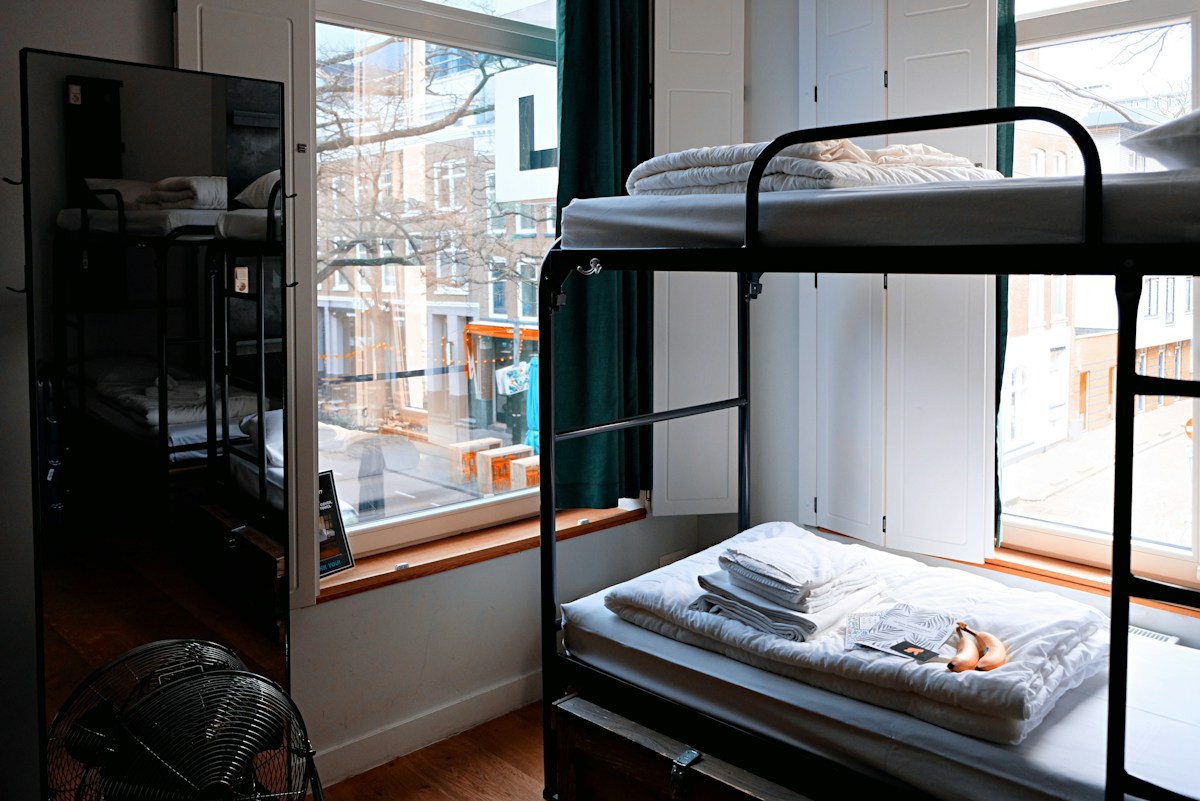
| Hostel (private room) | Couples who want privacy, low cost | 30–50% vs. hotels |
| Guesthouses / B&B | Local feel, breakfast included | 20–40% |
| Apartment rentals | Groups of 3+, longer stays | 30–60% per person |
| House sitting | Slow travelers, flexible dates | Often free |
| Home exchange | Families, longer trips | Near zero housing cost |
Book slightly outside the tourist center — a 15-minute walk can cut prices by half and often puts you in a more authentic neighborhood.
Eating Well on a Small Budget
Food can make or break a travel budget. The trick is not to eat badly — it is to eat like a local.
- Eat where locals eat. Skip the restaurants near major landmarks.
- Book accommodation with a kitchen — one homemade meal a day saves a lot.
- Shop at local markets for fruit, bread, cheese, and snacks.
- Have a big lunch, light dinner — lunch menus are often half the price.
- Carry a water bottle — refilling is free in most cities.
Street food is often the best meal of the trip — and the cheapest. Follow the lines of locals, not the lines of tourists.
Free (and Nearly Free) Things to Do Anywhere
The best travel memories rarely come from paid attractions. They come from wandering, watching, and getting lost.
- Free walking tours — tip-based, and you learn the city in a few hours.
- Museums with free days — most major cities have at least one.
- Parks, waterfronts, and markets — always free, always alive.
- Sunrise and sunset spots — the best views are rarely ticketed.
- Neighborhood walks — pick a direction and go.
Getting Around Without Burning Money
Transport eats budgets quietly. A few choices make a real difference:
- Walk when the distance is under 30 minutes — you see more anyway.
- Use public transit — daily and weekly passes are almost always cheaper.
- Avoid taxis at airports — trains and buses are often faster and 10x cheaper.
- Take night trains or buses between cities — saves a hotel night.
- Rent bikes where the city is bike-friendly.

How to Set a Realistic Daily Budget
A trip budget only works if it is broken into daily numbers. Rough guidelines:
| Style | Daily Budget (per person) |
|---|---|
| Ultra-budget (hostels, street food) | $30–$50 |
| Budget (hostel or guesthouse, mix of food) | $50–$80 |
| Comfort (private room, restaurant meals) | $80–$150 |
| Higher comfort | $150+ |
These vary hugely by country. Southeast Asia, the Balkans, and parts of Latin America are far cheaper than Western Europe, Japan, or the US. Choose destinations that match your budget rather than fighting the numbers.
How to Avoid Overspending on the Road
- Withdraw cash once — repeated ATM fees add up.
- Use a card with no foreign transaction fees.
- Track spending in a notes app — awareness is most of the work.
- Avoid the "vacation excuse" — the small daily treat is fine; the daily splurge is not.
- Plan one splurge — a dinner, a tour, a hotel night — and enjoy it guilt-free.
Best Budget-Friendly Destinations in 2026
Some places stretch a budget much further than others. Reliable value destinations include:
- Albania — beautiful coast, low prices, still uncrowded.
- Georgia — great food, cheap stays, stunning mountains.
- Vietnam — legendary street food and easy transport.
- Portugal — Western Europe at a fraction of Paris prices.
- Mexico (outside resort zones) — rich culture, low daily costs.
- Poland and the Baltics — European charm, small bills.
If your heart is set on an expensive destination, go anyway — but stay longer in one place, cook more, and travel in shoulder season.
The Long Game: Travel More, Spend Less
Budget travel is not a compromise. It is a skill — one that lets you see more of the world, for longer, without the hangover of debt when you get home. The travelers who go furthest are rarely the richest; they are the ones who plan well, spend deliberately, and care more about the experience than the price tag.
Start with one trip. Apply two or three of these rules. You will be surprised how far a small budget can go.
Frequently Asked Questions
How can I travel cheaply without missing out on experiences?
Spend less on the boring parts — flights, stays, and transport — so you can spend freely on the moments that matter. Prioritize free walking tours, local food, and one paid highlight per destination.
What is the cheapest time to book flights?
For most routes, booking 6 to 8 weeks in advance and flying midweek (Tuesday, Wednesday, Saturday) tends to be cheapest. Avoid holidays and school breaks when possible.
Are hostels safe for budget travelers?
Yes, most hostels are safe when you read recent reviews, choose ones with lockers, and stick to well-rated areas. Private rooms in hostels are often cheaper than hotels and just as comfortable.
How do I avoid overspending while traveling?
Set a daily spending limit, withdraw cash once instead of using cards repeatedly, and track expenses in a simple notes app. Small awareness beats strict budgeting on the road.


Comments
Post a Comment