How to Stay Healthy While Working a Desk Job
How to Stay Healthy While Working a Desk Job: A Complete Guide for 2026
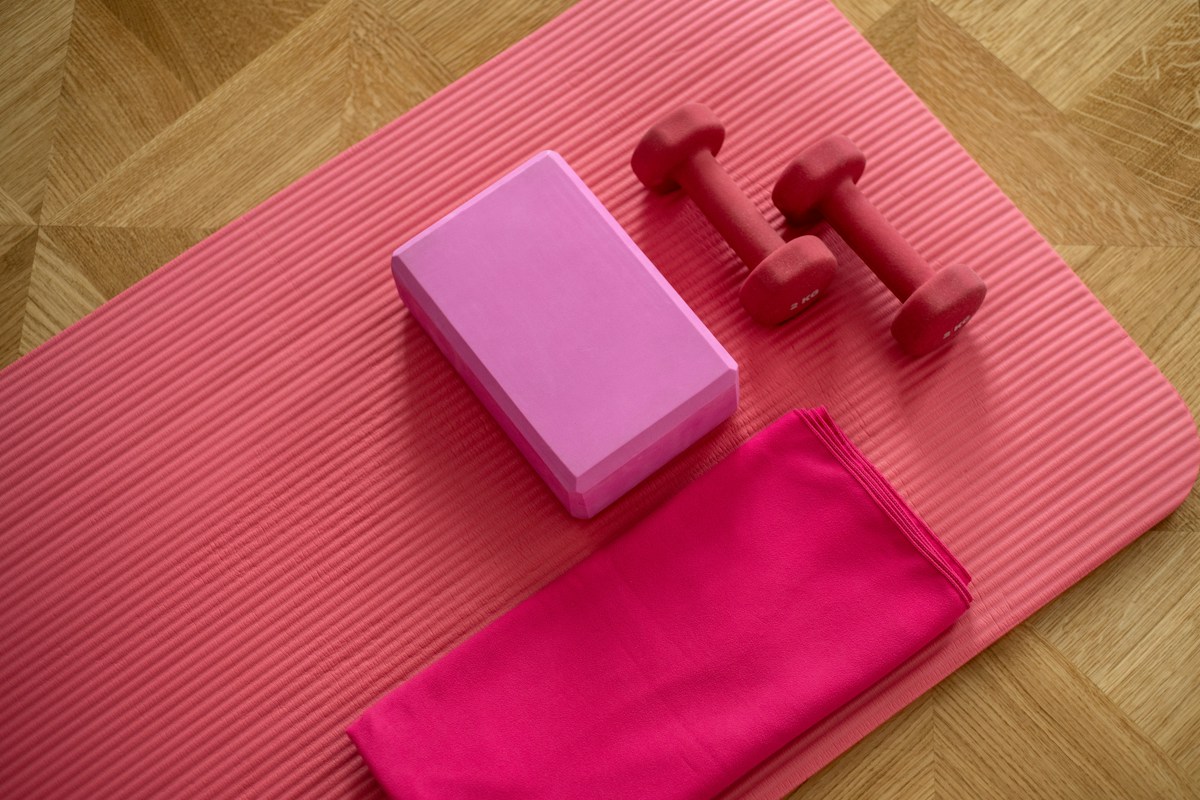
If you spend eight or more hours a day at a desk, your body pays a quiet price. Stiff neck, tight hips, aching lower back, tired eyes, and that 3 p.m. crash are not just annoyances — they are signals that the way you sit, move, and rest during the workday needs attention.
The good news is that you do not need a standing desk, a gym membership, or a complete life overhaul to feel better. Stay healthy at a desk job comes down to a handful of small, repeatable habits that fit into the day you already have.
This guide covers everything that matters: posture, movement, eye health, energy, nutrition, and recovery — with simple actions you can start today.
Why Desk Work Takes a Toll on Your Body
The human body was built to move. Sitting for long hours slows circulation, weakens the muscles that support your spine, tightens your hips, and stresses your neck and shoulders. Over months and years, those small stresses compound into real problems.
Research links prolonged sitting to back pain, poor posture, weight gain, and higher risk of heart disease and type 2 diabetes. None of that is meant to scare you — it is meant to show why small daily changes matter so much.
The 30-Minute Rule: Move Before You Stiffen
Your body starts to stiffen after about 30 minutes in one position. Set a timer or use a simple reminder on your phone or computer. Every half hour, stand up, stretch, or walk for 2–3 minutes.
It does not need to be a workout. Walk to refill your water, take the stairs once, or do a slow shoulder roll. The goal is to interrupt stillness before it becomes pain.
Desk Setup: Small Adjustments, Big Relief
Your setup does most of the work for you — or against you. A few adjustments can change how your whole body feels by the end of the day.
| Body Part | What to Aim For |
|---|---|
| Screen | Top of screen at eye level, about arm's length away |
| Elbows | Bent at roughly 90 degrees, resting lightly |
| Wrists | Straight, not bent up or down |
| Feet | Flat on the floor or on a footrest |
| Lower back | Supported by the chair's curve or a small cushion |
If you use a laptop all day, consider a separate keyboard and mouse so you can raise the screen without lifting your shoulders.

Posture: The Myth of the Perfect Position
There is no single "perfect" posture you should hold for eight hours. In fact, trying to sit perfectly still is part of the problem. The best posture is your next posture — meaning you should change position often.
What matters is that you avoid the extremes: slumping forward with your head jutting toward the screen, or sitting rigid and tense for hours. Move between leaning back, sitting upright, and standing when you can.
Three quick posture resets
- Chin tuck: gently pull your chin back as if making a double chin. Hold 5 seconds. Repeat 10 times.
- Shoulder roll: roll shoulders back and down slowly, 10 times each direction.
- Chest opener: clasp hands behind your back, straighten arms, lift gently. Hold 15 seconds.
Protect Your Eyes From Screen Strain
Eye strain is one of the most common complaints among desk workers. Dryness, blurry vision, headaches, and that gritty feeling by evening are all signs your eyes need a break.
The simplest fix is the 20-20-20 rule: every 20 minutes, look at something about 20 feet away for 20 seconds. This relaxes the muscles that focus your eyes and reminds you to blink.
Also adjust your screen brightness to match the room, use warmer tones in the evening, and keep the screen just below eye level so your eyes are slightly down, not wide open.
Beat the Afternoon Energy Crash
That 3 p.m. slump is rarely about willpower. It is usually the result of poor sleep, skipped meals, dehydration, or sitting too long without movement.
- Hydrate: keep a water bottle on your desk and sip all day.
- Eat steady: avoid heavy, sugary lunches that spike and crash your energy.
- Get daylight: even 5 minutes outside at midday resets your internal clock.
- Move before you feel tired: a short walk often works better than another coffee.
Simple Desk Stretches That Take Under 5 Minutes
You can reset your whole body without leaving your chair. Try this quick sequence once or twice a day:
- Neck stretch — tilt ear to shoulder, hold 15 seconds each side.
- Seated spinal twist — turn gently to one side, hold 15 seconds, switch.
- Wrist and finger stretch — extend arm, gently pull fingers back.
- Hip flexor stretch — stand, step one foot back, press hips forward.
- Standing forward fold — bend at hips, let arms hang, breathe.

What to Eat and Drink at Your Desk
What you eat during the workday directly affects focus, mood, and energy. You do not need a strict diet — just a few smart defaults.
- Protein at breakfast to stabilize energy for hours.
- Fiber and healthy fats at lunch instead of heavy carbs.
- Nuts, fruit, or yogurt for snacks instead of sugary options.
- Water first — most "hunger" at the desk is actually thirst.
Sleep: The Habit That Makes Everything Easier
No amount of desk stretching can fix a body that is running on five hours of sleep. Poor sleep worsens posture, focus, mood, and cravings. Aim for 7–9 hours and keep a consistent sleep and wake time — even on weekends.
If you work late, dim your screens and lights an hour before bed. Bright light at night confuses your body clock and makes it harder to fall asleep deeply.
Move More Outside of Work
Your desk habits matter, but so does what you do before and after work. A 20–30 minute walk, a short strength session, or even a few minutes of stretching at home makes a real difference over time.
The goal is not to become an athlete. It is to remind your body that sitting is not its default state.

Build a Simple Daily Routine
You do not need a complicated plan. A simple daily rhythm is enough:
- Morning: hydrate, protein breakfast, 5 minutes of movement.
- Workday: stand every 30 minutes, 20-20-20 for eyes, water all day.
- Midday: short walk, daylight, lighter lunch.
- Evening: 20–30 minutes of movement, dim lights, consistent bedtime.
The Long Game: Small Habits, Big Difference
Staying healthy at a desk job is not about perfection. It is about interrupting stillness, supporting your body, and giving it what it needs to recover. The person who stands every half hour, drinks water, and moves a little every day will feel dramatically better in a year than the one who waits for a wake-up call.
Start with one habit. Add another next week. Your body will notice — long before you see it in a mirror.
Frequently Asked Questions
How often should I stand up from my desk?
Aim to stand or move for 2–3 minutes at least once every 30 to 60 minutes. Small, frequent breaks are more effective than one long break at the end of the day.
What is the best posture for desk work?
The best posture is your next one. No single position is perfect for hours. Keep your screen at eye level, feet flat, elbows at 90 degrees, and change position often.
Can a desk job cause long-term health problems?
Prolonged sitting is linked to back pain, tight hips, poor circulation, and increased risk of heart issues. The good news is that frequent movement and simple daily habits greatly reduce that risk.
How do I protect my eyes from screen strain?
Follow the 20-20-20 rule: every 20 minutes, look at something 20 feet away for 20 seconds. Adjust brightness, use night mode in the evening, and blink often.


Comments
Post a Comment