How to Reduce Inflammation Naturally: What Science Says (2026)
How to Reduce Inflammation Naturally: What Science Says (2026)
Inflammation gets a bad reputation, but it is not inherently harmful. Acute inflammation — the kind that flares up when you twist an ankle or fight off a cold — is your immune system doing its job. The problem is chronic, low-grade inflammation: a persistent immune activation that quietly damages tissues, blood vessels, and organs over years and decades.
Research consistently links chronic inflammation to heart disease, type 2 diabetes, Alzheimer's, depression, autoimmune conditions, and several cancers. And the primary drivers of chronic inflammation are almost entirely lifestyle-related — which means they are almost entirely within your control.
1. Overhaul Your Diet — The Most Powerful Tool
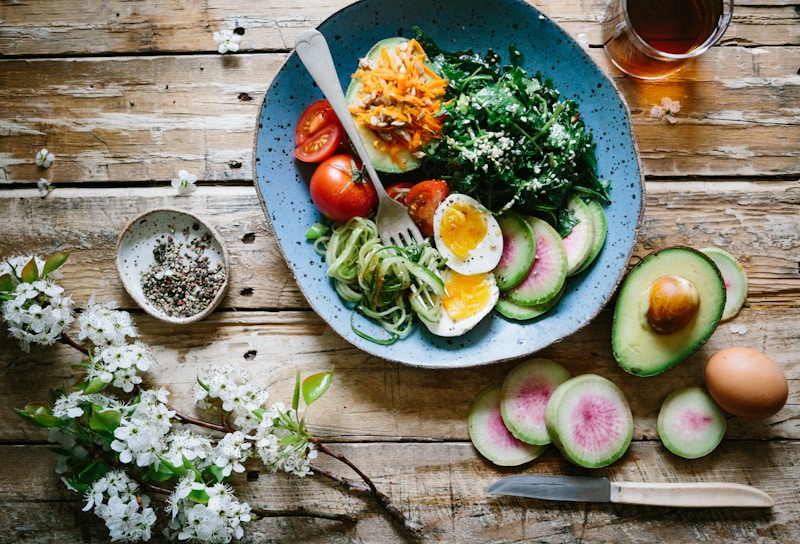
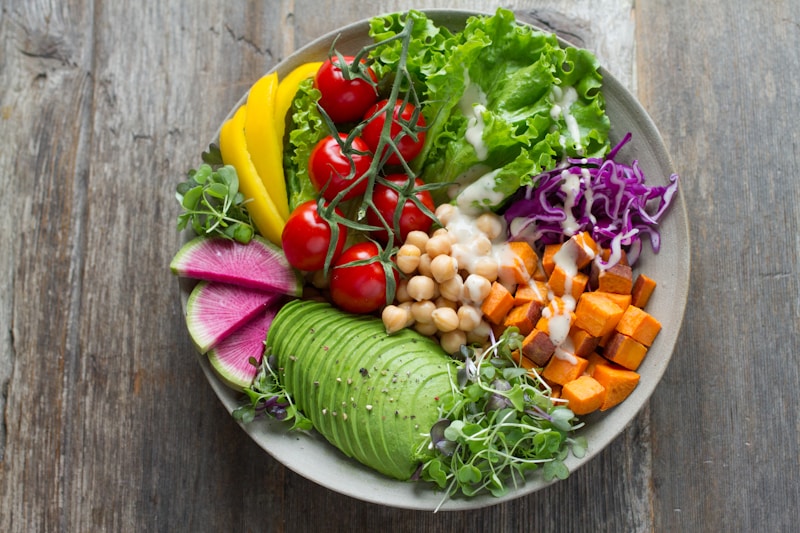
No single lifestyle factor has more direct influence on inflammation than what you eat. The standard Western diet — high in refined sugar, processed oils, red meat, and ultra-processed foods — is essentially a chronic inflammation trigger consumed multiple times per day.
| Anti-Inflammatory Foods | Pro-Inflammatory Foods to Limit |
|---|---|
| Fatty fish (salmon, sardines, mackerel) | Sugar and high-fructose corn syrup |
| Leafy greens (spinach, kale, arugula) | Refined carbohydrates (white bread, pastries) |
| Berries (blueberries, strawberries, cherries) | Processed vegetable oils (soybean, corn) |
| Olive oil (extra virgin) | Ultra-processed snack foods |
| Turmeric and ginger | Excessive alcohol |
| Nuts (walnuts, almonds) | Trans fats (partially hydrogenated oils) |
| Green tea | Processed red and deli meats |
2. Move Your Body Regularly
Exercise is one of the most potent anti-inflammatory interventions known to science. When you exercise, your muscles release compounds called myokines — proteins that actively suppress inflammation and strengthen immune regulation.
- 150 minutes per week of moderate aerobic activity (brisk walking, cycling, swimming)
- 2 strength training sessions per week
- Avoid prolonged sitting — break it up every 60–90 minutes
- Note: excessive endurance training without adequate recovery can temporarily spike inflammation
3. Prioritize Sleep — Seriously
Poor sleep is one of the most underappreciated inflammation drivers. Studies show that even one night of poor sleep increases levels of inflammatory markers like IL-6 and TNF-alpha measurably. Chronic sleep deprivation keeps these markers elevated chronically.
Aim for 7–9 hours of quality sleep per night. Consistency matters: going to bed and waking at the same time every day regulates circadian rhythms that directly influence immune function and inflammation control.
4. Manage Chronic Stress
When your brain perceives a threat — whether it is a predator or a difficult email — it triggers the same stress response: cortisol and adrenaline flood your system. In the short term, these hormones are anti-inflammatory. But when stress is chronic, this system gets dysregulated, and cortisol loses its ability to suppress inflammation effectively.
- Mindfulness meditation (even 10–15 minutes daily reduces cortisol)
- Deep breathing exercises (activates the parasympathetic nervous system)
- Regular time in nature (shown to reduce cortisol and inflammatory markers)
- Social connection — loneliness is a significant inflammation driver
- Journaling and cognitive reframing
5. Support Your Gut Health
A significant portion of the immune system lives in the gut. When the gut microbiome is disrupted — through poor diet, antibiotics, or chronic stress — the gut lining can become "leaky," allowing bacterial products to enter the bloodstream and trigger systemic inflammation.
6. Maintain a Healthy Body Weight
Fat tissue — particularly visceral fat (the fat stored around your organs) — is not metabolically inert. It actively secretes inflammatory compounds called adipokines. The more visceral fat you carry, the higher your baseline level of inflammation.
Even a 5–10% reduction in body weight produces meaningful reductions in inflammatory markers. The most effective approaches combine moderate caloric reduction with regular exercise and high-quality sleep.
7. Natural Supplements With Solid Evidence
| Supplement | Evidence Quality | How It Helps |
|---|---|---|
| Omega-3 fatty acids (EPA/DHA) | Strong | Directly converts to anti-inflammatory prostaglandins |
| Curcumin (turmeric extract) | Moderate-Strong | Inhibits NF-kB, a key inflammation pathway |
| Vitamin D | Moderate | Regulates immune function; deficiency linked to high inflammation |
| Magnesium | Moderate | Deficiency associated with elevated CRP |
| Green tea extract (EGCG) | Moderate | Powerful polyphenol antioxidant |

Frequently Asked Questions
What causes chronic inflammation?
The main drivers include a poor diet high in processed foods and sugar, chronic stress, inadequate sleep, sedentary lifestyle, excess body fat (especially visceral fat), gut dysbiosis, smoking, and excessive alcohol consumption.
How quickly can diet reduce inflammation?
Some people notice subjective improvements (less bloating, better energy) within days. Measurable reductions in inflammatory markers like CRP typically appear within 4–12 weeks of consistent dietary changes.
What are the best anti-inflammatory foods?
Fatty fish, leafy greens, berries, extra virgin olive oil, turmeric, ginger, walnuts, and green tea are among the most evidence-backed anti-inflammatory foods.
Does exercise cause or reduce inflammation?
Moderate, regular exercise reduces inflammation significantly. However, excessive high-intensity exercise without adequate recovery can temporarily spike inflammatory markers. Balance and recovery are key.
Should I take anti-inflammatory supplements?
Omega-3 fatty acids and curcumin have the strongest evidence for reducing inflammation. Always consult a healthcare provider before starting any supplement, especially if you take medications.


Comments
Post a Comment