How to Eat Healthy on a Tight Budget
Last Updated: October 2026
How to Eat Healthy on a Tight Budget
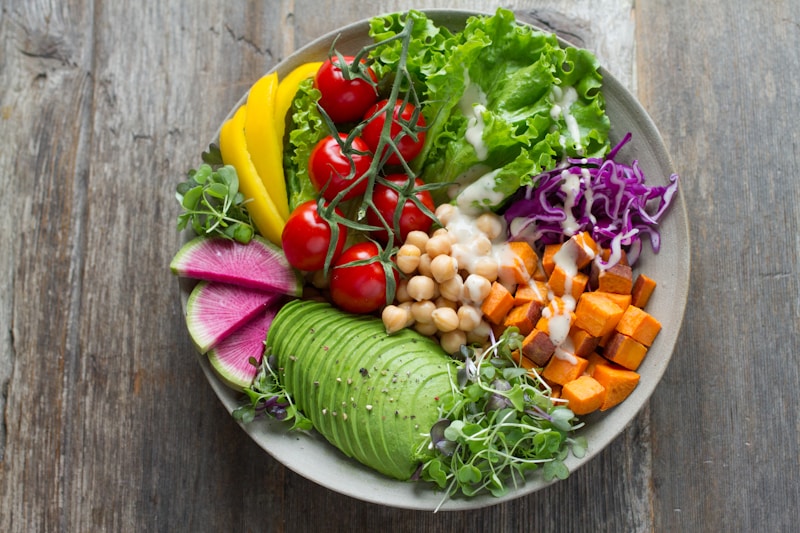
One of the most persistent myths about nutrition is that eating healthy costs a lot of money. Walk into any grocery store and it's easy to see why people believe it — organic produce, fancy supplements, and specialty health foods carry premium prices. But the truth is more nuanced and far more encouraging.
The world's most nutritious foods — beans, lentils, oats, eggs, frozen vegetables, canned fish — are also among the cheapest foods per serving available anywhere. The expensive version of healthy eating is a marketing choice, not a nutritional requirement.
This guide gives you the exact strategies, shopping principles, and meal planning framework to eat well on a genuinely tight budget — without sacrificing nutrition, taste, or variety.
The Cheapest Nutritious Foods on Earth
These foods deliver exceptional nutritional value at minimal cost. Building your meals around them is the single most powerful strategy for eating well on a budget.
| Food | Why It's Valuable | Avg Cost (per serving) |
|---|---|---|
| Dried lentils | Protein, fiber, iron, folate | Very low |
| Dried black/kidney beans | Protein, fiber, complex carbs | Very low |
| Oats (rolled) | Fiber, complex carbs, B vitamins | Very low |
| Eggs | Complete protein, healthy fats, B12 | Low |
| Frozen spinach/broccoli/peas | Vitamins, minerals, fiber | Low |
| Canned sardines/tuna | Omega-3s, protein, B12 | Low |
| Sweet potatoes | Vitamin A, fiber, potassium | Low |
| Cabbage | Vitamin C, fiber, antioxidants | Very low |
| Bananas | Potassium, energy, fiber | Very low |
| Brown rice | Complex carbs, B vitamins, fiber | Very low |
7 Strategies to Eat Healthy for Less
1. Plan Before You Shop — Every Single Time
Unplanned grocery shopping is one of the biggest budget destroyers. Before every trip, decide what meals you'll make for the week, list every ingredient you need, and stick to the list. This one habit alone can cut food spending by 20–30%.
2. Buy Frozen Vegetables Without Guilt
Frozen vegetables are flash-frozen at peak ripeness, which locks in nutrients. In many cases, frozen peas, spinach, broccoli, and corn are nutritionally equal to or better than "fresh" produce that's been sitting in transit for days. And they're significantly cheaper — with zero waste from spoilage.
3. Make Legumes the Star of Your Meals
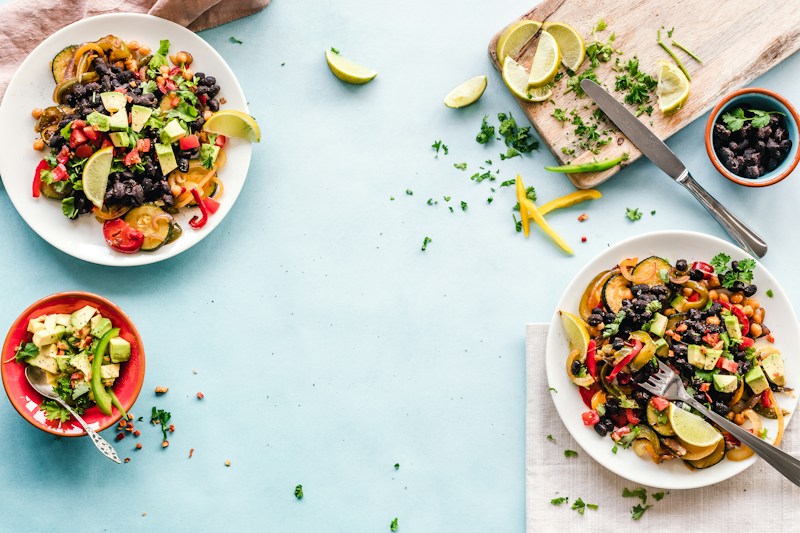
Lentils, chickpeas, black beans, kidney beans — these are nutritional powerhouses that cost a fraction of meat. Replacing meat with legumes even 3–4 nights per week dramatically reduces your food bill while maintaining protein intake. A bag of dried lentils makes 10–12 servings for the price of a single chicken breast.
4. Buy in Bulk for Non-Perishables
Oats, rice, lentils, beans, flour, olive oil — these items have long shelf lives and cost significantly less per unit when bought in larger quantities. Bulk buying these staples upfront pays dividends for months.
5. Meal Prep to Eliminate Food Waste
The average household wastes a shocking percentage of the food it buys — mostly because ingredients spoil before being used. Cooking in batches on one or two days per week ensures everything you buy gets eaten. Prep a large pot of grains, roast a sheet of vegetables, cook a batch of protein — mix and match throughout the week.
6. Use Cheaper Protein Sources Strategically
Protein doesn't have to come from expensive cuts of meat. Eggs, canned tuna, sardines, chicken thighs (cheaper than breasts), Greek yogurt, cottage cheese, and legumes all deliver excellent protein at much lower costs. Rotating these throughout your week keeps meals varied without inflating your bill.
7. Shop Seasonally and at Discount Stores
In-season produce is always cheaper and better. A tomato in summer costs far less than one in winter. Similarly, discount grocery stores and ethnic markets often sell the same fresh produce and staples for 30–50% less than mainstream supermarkets.
A Sample Weekly Budget Meal Plan
| Day | Breakfast | Lunch | Dinner |
|---|---|---|---|
| Monday | Oats + banana | Lentil soup + bread | Rice + beans + sautéed cabbage |
| Tuesday | Eggs + toast | Leftover lentil soup | Baked sweet potato + canned tuna salad |
| Wednesday | Oats + frozen berries | Chickpea stew | Rice + stir-fried frozen vegetables + egg |
| Thursday | Banana + peanut butter toast | Leftover chickpea stew | Lentil and vegetable curry |
| Friday | Eggs + sautéed greens | Rice + bean bowl | Sardine pasta with tomato sauce |
What to Stop Buying to Save the Most
- Packaged snacks and chips — expensive per calorie, low nutrition
- Pre-washed, pre-cut vegetables — you're paying for convenience you can do in 2 minutes
- Single-serve anything — yogurt cups, juice boxes, portioned nuts — always buy the larger size and portion yourself
- Bottled water — if your tap water is safe, this is pure waste
- Name-brand staples — store-brand oats, canned beans, frozen vegetables are nutritionally identical at lower prices
Frequently Asked Questions
What are the cheapest healthy foods to buy?
The cheapest nutritious foods include dried lentils and beans, oats, eggs, frozen vegetables, canned fish, bananas, cabbage, carrots, brown rice, and sweet potatoes. These provide excellent nutrition at very low cost per serving.
Is it really possible to eat healthy on $50 a week?
Yes. Focusing on whole foods, cooking from scratch, buying in bulk, and avoiding processed and packaged foods makes it very achievable to eat nutritiously on $50 or less per week for one person.
Should I buy organic on a tight budget?
Not necessarily. Conventional produce is nutritious and safe. If budget allows, prioritize organic for the "Dirty Dozen" — the produce items with the highest pesticide residue. Everything else conventional is fine.
Is meal prepping worth it for saving money?
Absolutely. Meal prepping reduces food waste, prevents expensive last-minute takeout orders, and lets you buy in larger and cheaper quantities. Most people save 30–50% on food costs when they start prepping regularly.


Comments
Post a Comment