Greece Travel Guide 2026: Islands, Culture, and Hidden Gems
Last Updated: October 2026
Greece Travel Guide 2026: Islands, Culture, and Hidden Gems
Few countries on earth deliver as much as Greece does. Ancient ruins that rewire how you think about history. Islands so beautiful they feel almost fictional. Food that tastes like it was made specifically for you. A pace of life that forces you to slow down whether you want to or not.
Greece in 2026 is still one of the world's most visited destinations — and for very good reason. But the country is far more than Santorini and the Acropolis. This guide covers the icons and the hidden gems, the practical and the poetic, so you can plan a Greek trip that matches exactly what you're looking for.
Athens — Where It All Begins
Almost every trip to Greece starts in Athens, and that's as it should be. The city is chaotic, layered, and endlessly interesting — ancient ruins literally surrounded by neighborhoods where people live, eat, and argue about football.
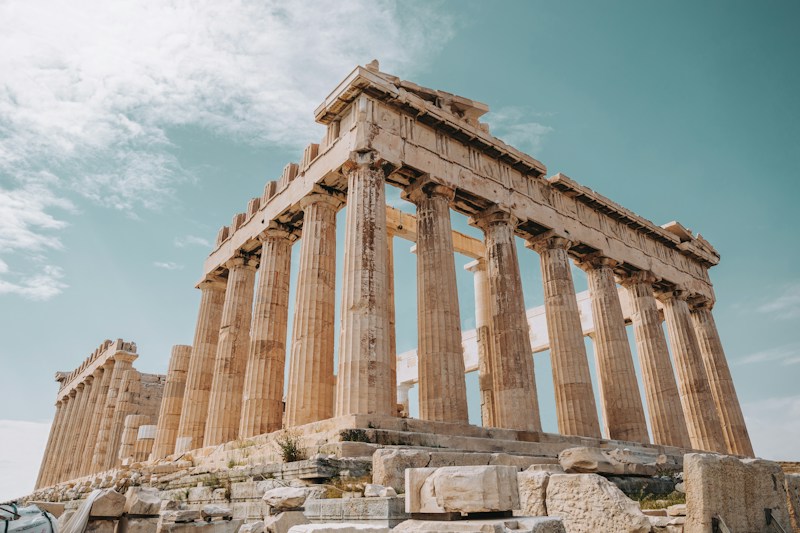
- The Acropolis — Go at opening time (8 AM) to beat the heat and the crowds. The Parthenon up close is genuinely affecting.
- Acropolis Museum — One of Europe's best museums, with artifacts displayed in stunning context. Do not skip it.
- Monastiraki — The neighborhood to wander: flea market, street food, rooftop bars with Acropolis views.
- Plaka — The oldest neighborhood in Athens. Touristy but charming. Best explored in the morning before the crowds arrive.
- Cape Sounion — A half-day trip south of Athens to see the Temple of Poseidon at sunset. Worth every kilometer.
The Islands — Which One Is Right for You?
Greece has over 200 inhabited islands. The challenge isn't finding a good one — it's matching the right island to what you're actually looking for.
Santorini — For the Views and the Romance
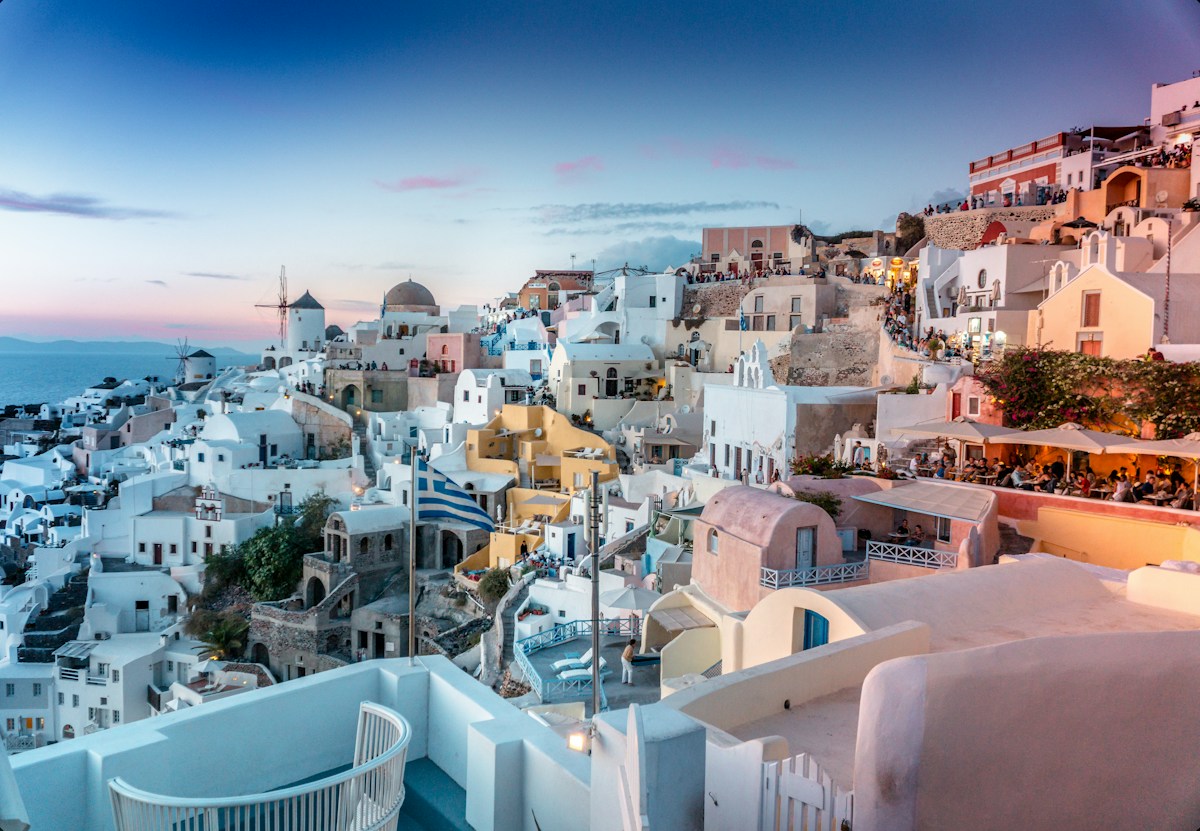
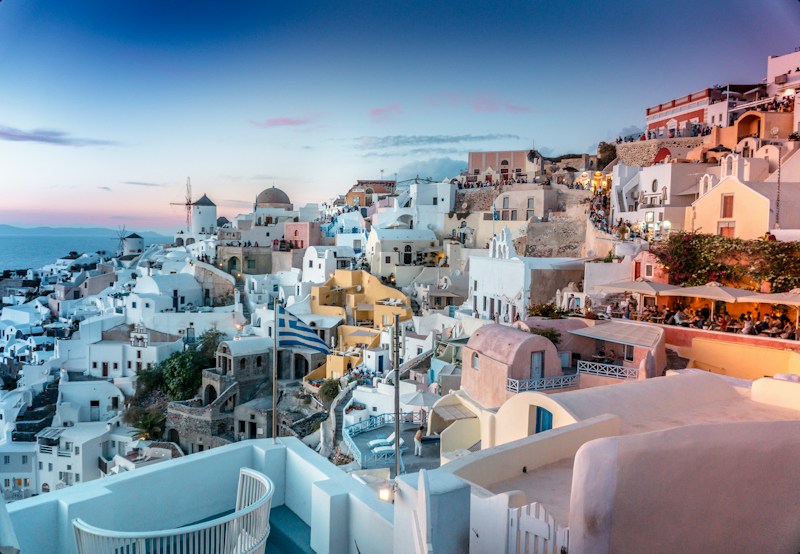
The most photographed island in the Mediterranean. The caldera views from Oia and Fira are genuinely spectacular. It's expensive and very crowded in summer, but shoulder season transforms it. Best for: couples, first-time visitors, sunset chasers.
Crete — For Depth and Variety
Greece's largest island and arguably its most complete destination. Ancient Minoan palaces, stunning gorges (Samaria Gorge is a legendary hike), beach towns, and incredible food. Crete rewards longer stays. Best for: first-timers who want everything in one island, history lovers, hikers.
Rhodes — History Meets Beach
The medieval walled Old Town of Rhodes is a UNESCO World Heritage Site and one of the best-preserved medieval cities in Europe. Combine it with excellent beaches and a lively restaurant scene. Best for: history enthusiasts who also want a beach holiday.
Naxos — The Underrated Giant
The largest of the Cyclades is also one of the least crowded. Lush interior with villages, excellent local cheese and produce, dramatic mountains, and long sandy beaches that rival anything in the Mediterranean. Far more affordable than Santorini or Mykonos. Best for: travelers who want authenticity over Instagram.
Samos and Ikaria — For Real Off-the-Beaten-Path
These eastern Aegean islands are what Greece looked like before mass tourism arrived. Ancient ruins with almost no crowds, local tavernas where the owner is also the fisherman, and landscapes that take your breath away. Ikaria is also famous as one of the world's "Blue Zones" — places where people live to 100 at unusual rates. Best for: travelers seeking genuine slow travel.
The Peloponnese — The Mainland's Best Kept Secret
Many visitors fly in and out of Athens without exploring the mainland. The Peloponnese, connected by a bridge, is one of Greece's most rewarding regions:
- Mystras — A ghost Byzantine city on a hillside. Hauntingly beautiful and almost empty of tourists.
- Nafplio — Arguably Greece's most charming town. Venetian architecture, a hilltop fortress, and superb seafood restaurants.
- Ancient Olympia — The birthplace of the Olympic Games. More moving than you'd expect.
- Mani Peninsula — Wild, stark, and extraordinary. Tower houses, caves, and a landscape that feels like another world.

Greece Budget Guide 2026
| Budget Level | Daily Estimate | What It Gets You |
|---|---|---|
| Budget | 60–80 EUR | Hostel dorm, street food, local buses, free attractions |
| Mid-range | 120–180 EUR | Simple hotel, restaurant meals, ferry travel, entry fees |
| Comfortable | 200–300 EUR | Boutique hotel, nice restaurants, private transfers |
| Luxury | 400+ EUR | Caldera-view suites, fine dining, private boat charters |
Practical Tips for Greece 2026
- Ferries: Book ferry tickets in advance in summer — routes sell out. Check Ferryscanner or DirectFerries.
- Cash: Many small tavernas and markets prefer or only accept cash. Always carry some.
- Siesta hours: Many smaller shops close from 2–5 PM. Plan museum visits in the morning.
- Sun protection: Greece in summer is genuinely intense. Sunscreen, hat, and water at all times.
- Tipping: Not obligatory but appreciated — 10% in restaurants is standard.
- Getting around islands: Renting a scooter or ATV is the best way to explore smaller islands. Book in advance during summer.
Frequently Asked Questions
What is the best time to visit Greece?
The best time to visit Greece is May to June or September to October. You get warm weather, lower prices than peak summer, and far fewer crowds. July and August are peak season — hot, busy, and expensive.
Do I need a visa to visit Greece?
Greece is part of the Schengen Area. EU and EEA citizens enter freely. US, UK, Canadian, and Australian passport holders can visit visa-free for up to 90 days within a 180-day period. Other nationalities should check current requirements before traveling.
How many days do you need in Greece?
A minimum of 10 days allows you to experience Athens and at least two islands. Two weeks is ideal for a comfortable, unhurried trip covering the mainland and several island groups.
Is Greece expensive to travel?
Greece ranges from budget to luxury depending on your choices. Budget travelers can get by on around 60–80 euros per day. Mid-range is 120–180 euros. Santorini and Mykonos are significantly more expensive than other destinations.


Comments
Post a Comment