The Night I Stopped Calling It Tiredness — And Started Listening to My Body
STORIES
The Night I Stopped Calling It Tiredness — And Started Listening to My Body
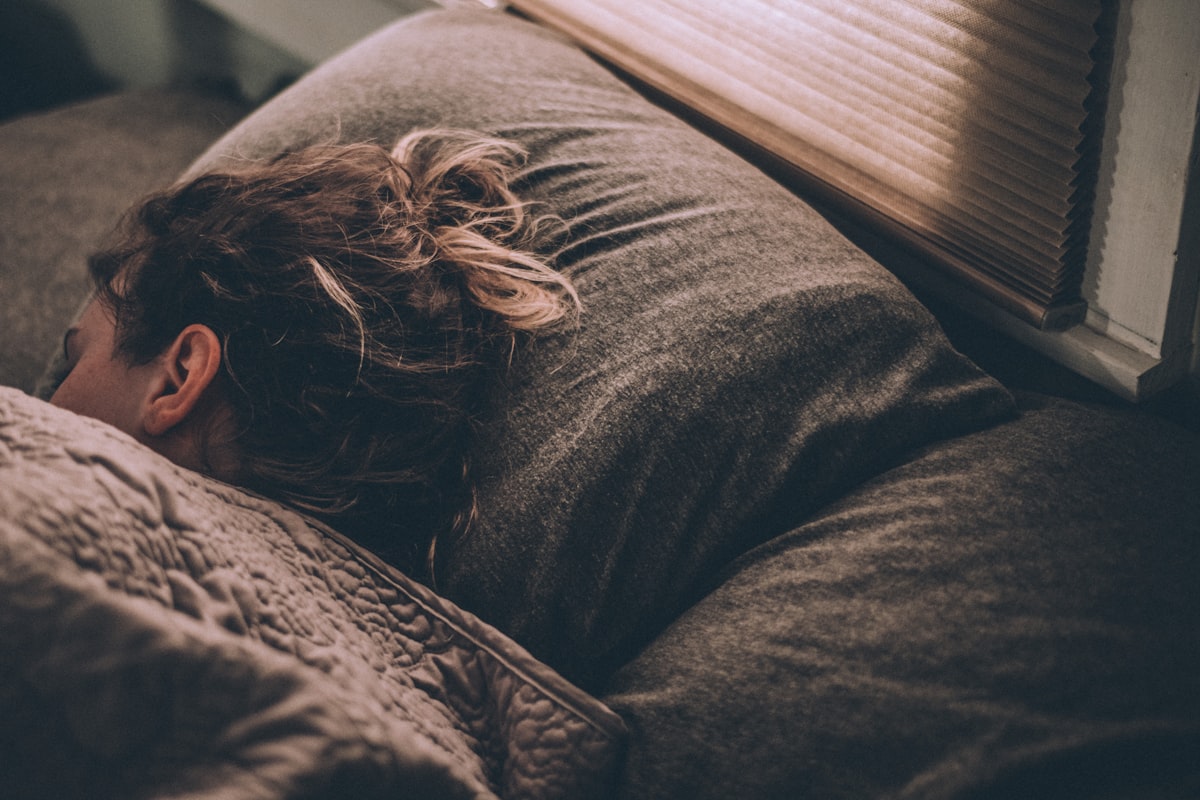
It was eleven-thirty on a Wednesday night when she sat down on the bathroom floor and didn't get up for twenty minutes. Not because anything dramatic had happened. Because her legs were tired of carrying her, and for the first time in years, she let them stop.
She had been running on four hours of sleep, three coffees, and the quiet conviction that rest was something you earned — not something you needed. That night, sitting on cold tile with her back against the wall, something inside her shifted. Her body had stopped asking politely.
The Exhaustion She Had Learned to Ignore
One person described it to us this way: "I thought I was just busy. Everyone is busy. I told myself the tiredness was normal, that it would pass once the project was done, once the kids were older, once things calmed down." She paused. "Things never calmed down. I just kept lowering the bar for what felt okay."
For three years, she had treated her body like a machine with an unlimited power supply. Early mornings, late nights, weekends that blurred into weekdays. She was productive by every external measure. Inside, she was running on fumes she no longer had.

The signals had been there for months. The headaches she attributed to screen time. The short temper she blamed on stress. The mornings when getting out of bed felt like climbing out of concrete. She had an explanation for each symptom individually. She never added them up.
The Night Everything Became Loud
The bathroom floor moment didn't come out of nowhere. It came at the end of a week where she had worked sixty hours, skipped lunch four days in a row, and told herself she'd rest "this weekend" — a promise she had made and broken seventeen weekends in a row.
What surprised her wasn't the exhaustion itself. It was the silence underneath it. When she finally stopped moving, she realized she couldn't remember the last time she had felt genuinely present in her own life. Not rushed. Not behind. Just there.

She made one decision that night. Not a dramatic overhaul. Not a wellness plan. She decided to stop calling it tiredness when it was something more — and to start treating her body's signals as information worth listening to, not inconveniences worth overriding.
What She Learned
Sleep and rest are not the same thing. You can sleep eight hours and wake up exhausted if your mind never truly stops. Real rest is the deliberate absence of demand — not just closing your eyes, but genuinely releasing the pressure to perform, produce, and be available. Her body wasn't broken. It was communicating. She had just spent years refusing to listen.
What Changed After She Started Listening
She didn't quit her job. She didn't move to the countryside. The changes were smaller and more lasting than that. She started protecting one hour each evening as genuinely hers — no screens, no tasks, nothing she owed anyone. She began sleeping without an alarm on Saturdays. She stopped apologizing for leaving work at a reasonable hour.
None of it was revolutionary. All of it was harder than it sounds.
Six months later, she told us the headaches were mostly gone. So was the background hum of anxiety she had lived with for so long she'd stopped noticing it. "I thought rest was what happened when I had nothing left to give," she said. "Now I understand it's what keeps me having something to give."
What if the exhaustion you've been pushing through isn't a weakness — but the most honest thing your body has ever said to you?
Frequently Asked Questions
What is the difference between tiredness and burnout?
Tiredness usually resolves with rest. Burnout is a deeper state of physical and emotional depletion that doesn't go away after a night's sleep — it builds over time and requires intentional recovery, not just a day off.
How do you know when your body is sending warning signals?
Persistent fatigue that sleep doesn't fix, difficulty concentrating, emotional numbness, and physical tension that never fully releases are common signs your body needs more than rest — it needs real change in how you're living.
What is the difference between sleep and rest?
Sleep is biological recovery. Rest is the deliberate absence of demand — mental, emotional, and physical. You can sleep eight hours and still wake up exhausted if your mind never truly rests.
Last Updated: September 5, 2026


Comments
Post a Comment