The Moment I Realized My Savings Account Was a Lie
The Moment I Realized My Savings Account Was a Lie
Last updated: September 6, 2026

It was a Tuesday afternoon in late autumn. I remember because the light coming through the window had that specific low, golden quality — the kind that makes everything feel a little more serious than it actually is.
I was sitting at my kitchen table with a cup of coffee gone cold beside me, a spreadsheet open on my laptop, and a feeling of quiet pride I hadn't noticed was about to shatter.
I had been saving for six years. Consistently. Automatically. Every month, a portion of my salary disappeared into a savings account the way responsible adults are supposed to manage things. I had watched the number grow. I had felt secure. I had told myself: I am doing this right.
That afternoon, I did something I had never thought to do before. I calculated what that money was actually worth — adjusted for inflation.
The Number That Changed Everything
It took less than ten minutes. A few figures, a simple formula. And when the result appeared on the screen, I sat back in my chair and stared at it for a long moment.
In six years, the purchasing power of my savings had grown by almost nothing. My account showed a larger number, yes. But in real terms — what that money could actually buy — I had barely moved forward. Inflation had quietly, patiently, eaten most of my progress while I wasn't looking.
The interest rate on my savings account was 1.2%. Average inflation over those same years had been hovering around 3 to 4%. The math was not complicated. The math was just honest in a way I had never asked it to be.
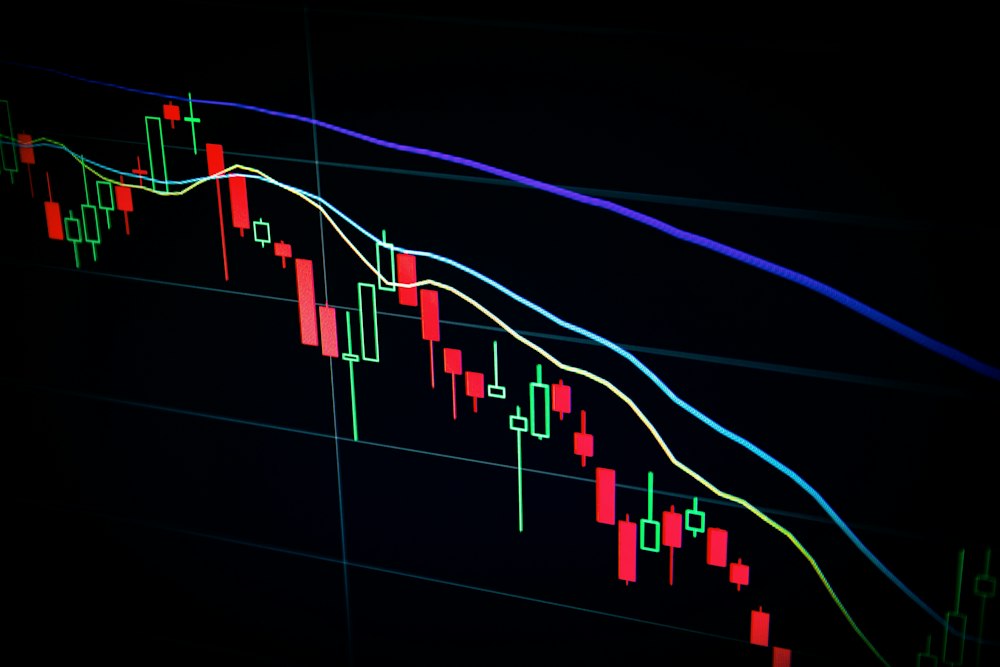
The Conversation Nobody Had With Me
What frustrated me most wasn't the money. It was the silence around it. Nobody — not a teacher, not a parent, not a bank employee — had ever said plainly: a savings account keeps your money safe, but it doesn't grow it.
I had been handed a tool designed for short-term security and told, implicitly, that it was a long-term strategy. And I had believed it, because I had no reason not to.
I thought of a colleague who had started putting a small amount each month into a low-cost index fund around the same time I opened my savings account. We earned similar salaries. We both considered ourselves careful with money. The difference in our outcomes, six years later, was striking — not because he was smarter, but because someone had told him a piece of information that nobody had told me.
What I Did Next
I didn't panic. I didn't make any sudden moves. I spent the next few weeks reading — slowly, carefully — about how money actually grows. About compound interest working in your favor instead of against you. About the difference between money sitting still and money moving.
I learned that I didn't need to become an expert. I didn't need to watch market charts or follow financial news obsessively. I needed to understand one simple shift: that there is a difference between saving and investing, and that both have a role to play — but they are not the same thing.
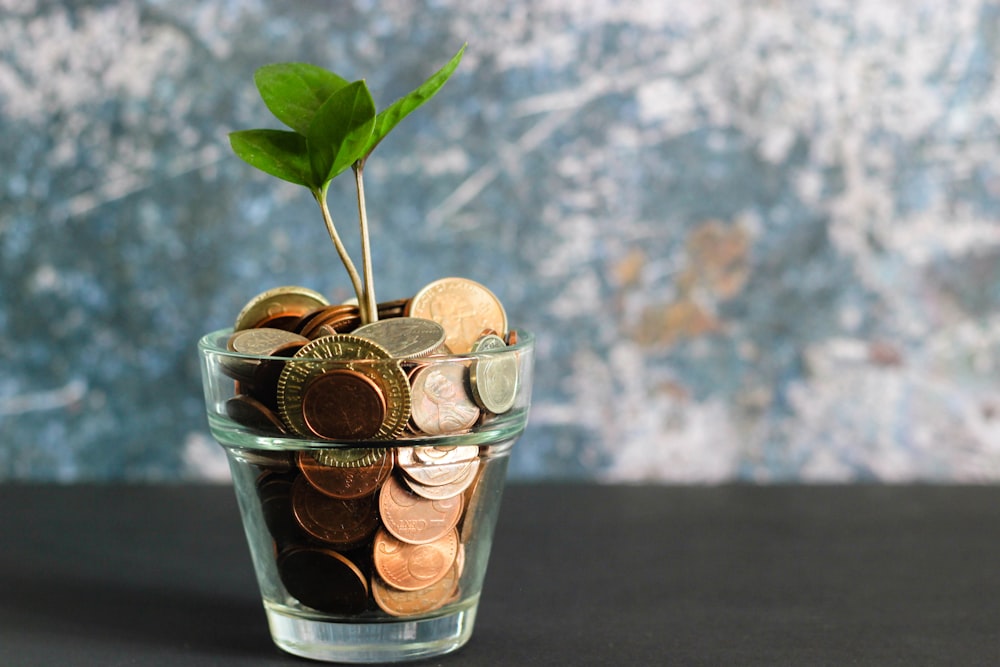
The Lesson That Took Six Years to Find Me
I still have a savings account. It holds a few months of living expenses — an emergency cushion, which is exactly what it is designed for. That is its purpose, and it serves it well.
But I stopped treating it as a destination. It became a waypoint instead — a safe place for money while I decided what to do with it, not the place where money lived and aged and quietly lost value.
The hardest part of that Tuesday afternoon wasn't the numbers. It was sitting with the realization that I had been doing something faithfully and consistently and still getting it quietly wrong — not through laziness, but through a gap in understanding that nobody had thought to fill.
If there is one thing I wish someone had told me at the beginning, it is this: ask what your money is actually doing. Not just how much of it there is — but what it is doing, and whether it is doing enough.
That one question, asked six years earlier, would have changed the shape of everything that followed.


Comments
Post a Comment