Sleep vs Rest: Why They're Not the Same and Why It Matters

Sleep vs Rest: Why They're Not the Same and Why It Matters
Most people use the words "sleep" and "rest" interchangeably — but they are not the same thing. You can rest without sleeping, and poor sleep cannot be fixed by rest alone. Understanding the difference could change how you recover, recharge, and take care of your long-term health.
What Is Sleep — Really?
Sleep is not simply a state of being still or quiet. It is an active, complex biological process that your body and brain need to function properly. During sleep, your body cycles through multiple stages — including light sleep, deep sleep, and REM (Rapid Eye Movement) sleep — each serving a different purpose.
According to the CDC and the American Academy of Sleep Medicine (AASM), healthy adults need at least 7 hours of sleep per night. During that time, the body is doing critical work:
- Repairing tissues and muscles
- Strengthening the immune system by producing cytokines
- Consolidating memories and processing information from the day
- Regulating hormones including cortisol, insulin, and growth hormone
- Clearing metabolic waste from the brain via the glymphatic system
None of this happens simply by lying down quietly. Sleep requires a specific physiological state — one that rest alone cannot replicate.
What Is Rest — and Why Does It Also Matter?
Rest is any intentional reduction in physical or mental demand on your body. You can rest while fully awake. Reading a book, meditating, sitting in a quiet space, taking a gentle walk, or simply stepping away from screens — all of these are forms of rest.
Rest matters because it allows your nervous system to shift from a state of stress ("fight or flight") to a state of recovery ("rest and digest"). Without adequate rest during your waking hours, you accumulate mental and physical fatigue that even good sleep may struggle to fully resolve.

Active rest — like meditation or mindful breathing — calms the nervous system in ways that scrolling through your phone simply cannot.
Sleep vs Rest: The Key Differences
Sleep
- Requires unconsciousness
- Active biological repair process
- Consolidates memory and learning
- Regulates hormones and immune function
- Cycles through REM and deep sleep stages
- Cannot be replaced by rest
- Recommended: 7–9 hrs/night (adults)
Rest
- Can occur while fully awake
- Reduces physical and mental load
- Calms the nervous system
- Supports recovery between activities
- Includes meditation, reading, relaxing
- Complements sleep — does not replace it
- No fixed daily requirement
How Much Sleep Do Adults Actually Need?
The CDC, the American Academy of Sleep Medicine (AASM), and the National Institutes of Health (NIH) are consistent on this: most healthy adults need 7 to 9 hours of sleep per night. Sleeping less than 7 hours regularly is associated with serious health risks.
| Age Group | Recommended Sleep Per Night |
|---|---|
| School-age children (6–12 years) | 9–12 hours |
| Teenagers (13–18 years) | 8–10 hours |
| Young adults (18–25 years) | 7–9 hours |
| Adults (26–64 years) | 7–9 hours |
| Older adults (65+ years) | 7–8 hours |
Source: National Sleep Foundation / CDC guidelines
According to the AASM, regularly sleeping 6 hours or fewer per night is inadequate for sustaining health and safety in adults. The CDC classifies insufficient sleep as a public health concern — yet surveys consistently show that more than a third of American adults sleep less than the recommended amount.
What Happens When You Don't Get Enough Sleep?
The consequences of chronic sleep deprivation are well-documented. According to the CDC and NIH, regularly sleeping less than 7 hours is linked to:
- Increased risk of obesity, high blood pressure, and heart disease
- Higher likelihood of developing type 2 diabetes
- Weakened immune function — making you more susceptible to illness
- Impaired memory, focus, and decision-making
- Increased risk of anxiety and depression
- Slowed reaction times and higher accident risk
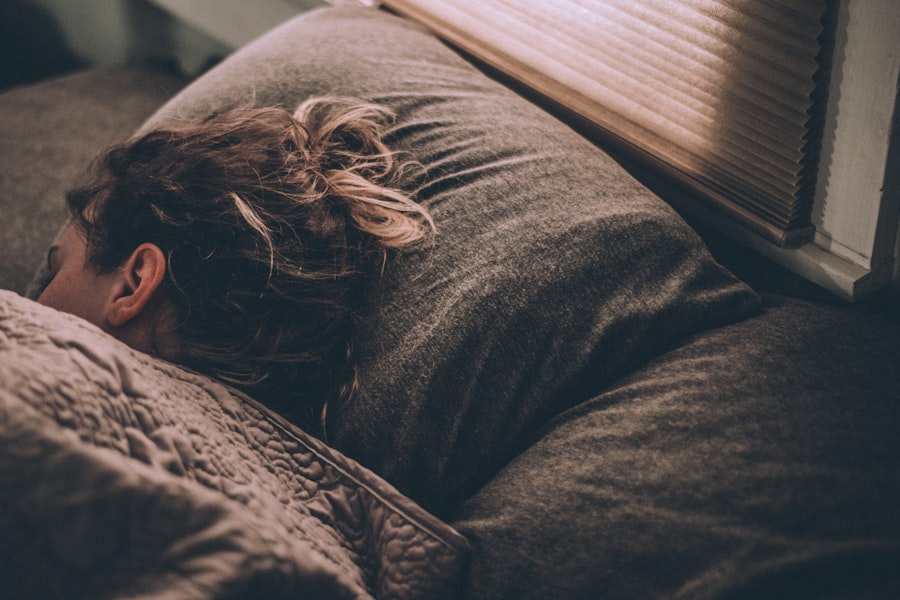
Chronic sleep deprivation affects concentration, mood, and physical health — often in ways people don't immediately connect to poor sleep.
The 7 Types of Rest You May Be Neglecting
Rest is more nuanced than simply sitting still. Researchers and wellness practitioners identify several distinct types of rest — and most people regularly neglect several of them even when they feel physically "rested."
| Type of Rest | What It Means | How to Get It |
|---|---|---|
| Physical | Reducing strain on the body | Gentle stretching, napping, sitting down |
| Mental | Stepping away from cognitive tasks | Short breaks, journaling, mindful breathing |
| Sensory | Reducing screen and noise exposure | Phone-free time, quiet environments |
| Creative | Letting the mind wander freely | Nature walks, doodling, daydreaming |
| Emotional | Reducing emotional labor | Honest conversations, time alone |
| Social | Time away from social demands | Solitude, low-pressure social time |
| Spiritual | Connection to purpose or meaning | Meditation, prayer, reflection |
Practical Tips to Improve Both Sleep and Rest
For Better Sleep
- Keep a consistent schedule: Go to bed and wake up at the same time every day — even on weekends.
- Make your bedroom sleep-friendly: Cool, dark, and quiet is the ideal environment.
- Limit screens before bed: Avoid bright screens 30–60 minutes before sleep to support natural melatonin production.
- Watch caffeine timing: Avoid caffeine in the hours before bedtime — its effects can last longer than you expect.
- Get regular physical activity: Exercise supports deeper, more restorative sleep — but avoid vigorous exercise too close to bedtime.
For Better Rest During the Day
- Take short breaks (5–10 minutes) every hour during mentally demanding work.
- Step outside or away from screens during lunch.
- Practice a few minutes of deep breathing or mindfulness once a day.
- Protect time in your schedule that is genuinely free of demands.

A calm, cool, and dark bedroom environment is one of the simplest ways to improve sleep quality consistently.
Key Takeaways
- Sleep and rest are different — sleep is a biological necessity; rest reduces mental and physical load.
- Adults need 7–9 hours of sleep per night (CDC / AASM recommendation).
- Sleeping less than 7 hours regularly is linked to heart disease, diabetes, obesity, and mental health issues.
- Rest cannot replace sleep — but neglecting rest makes sleep less effective.
- There are 7 types of rest — most people regularly miss several of them.
- Consistent sleep timing matters as much as total hours.
- If sleep problems persist, speak with a healthcare provider — sleep disorders are common and treatable.
Frequently Asked Questions About Sleep and Rest
What is the difference between sleep and rest?
Sleep is an active biological process requiring unconsciousness — during which your body repairs, regulates hormones, and consolidates memory. Rest is any intentional reduction of physical or mental demand that can happen while you're fully awake. Both matter, but they serve different purposes and cannot replace each other.
How many hours of sleep do adults need?
The CDC and the American Academy of Sleep Medicine recommend that healthy adults get at least 7 hours of sleep per night. Most adults function best with 7 to 9 hours. Adults 65 and older are recommended 7 to 8 hours per night.
Can rest replace sleep?
No. Rest can reduce fatigue and support recovery, but it cannot replicate the biological processes that only happen during sleep — such as tissue repair, immune strengthening, and memory consolidation. Sleep deprivation cannot be compensated for by rest alone.
What are the different types of rest?
Rest extends beyond lying down. The main types include physical, mental, sensory, creative, emotional, social, and spiritual rest. Each addresses a different kind of depletion — and neglecting any one of them can leave you feeling drained even after a full night of sleep.
What happens if I don't get enough sleep?
According to the CDC and NIH, chronic sleep deprivation is linked to increased risk of obesity, high blood pressure, heart disease, type 2 diabetes, depression, weakened immunity, and impaired cognitive performance. Long-term sleep loss is a serious health concern, not just a productivity issue.
Does napping count as sleep or rest?
Short naps (10–20 minutes) primarily provide light sleep and rest, improving alertness. Longer naps (60–90 minutes) may include deeper sleep stages. Naps can reduce sleep debt slightly but are not a substitute for consistent nightly sleep.
How can I improve my sleep quality?
Keep a consistent sleep schedule, make your bedroom cool and dark, limit screens before bed, reduce caffeine in the afternoon, and get regular physical activity. If sleep problems persist despite good habits, consult a healthcare provider — sleep disorders are common and very treatable.
Bottom Line
Sleep and rest are both essential — but they are not the same, and one cannot substitute for the other. Your body needs sleep to repair, regulate, and restore itself at a biological level. Your mind and nervous system need rest throughout the day to stay balanced, focused, and resilient.
The good news: improving both doesn't require dramatic changes. A consistent bedtime, intentional breaks during the day, and a few minutes of genuine calm can make a meaningful difference over time. And if sleep difficulties persist, speaking with a qualified healthcare provider is always the right next step.


Comments
Post a Comment