Morocco Travel Guide 2026: Everything You Need to Know
Last Updated: September 2026
Morocco Travel Guide 2026: Everything You Need to Know
Morocco is one of the world's most captivating destinations — ancient medinas, Sahara dunes, Atlantic coastlines, and mountain villages all within a single country. Here is everything you need to plan a remarkable trip in 2026.
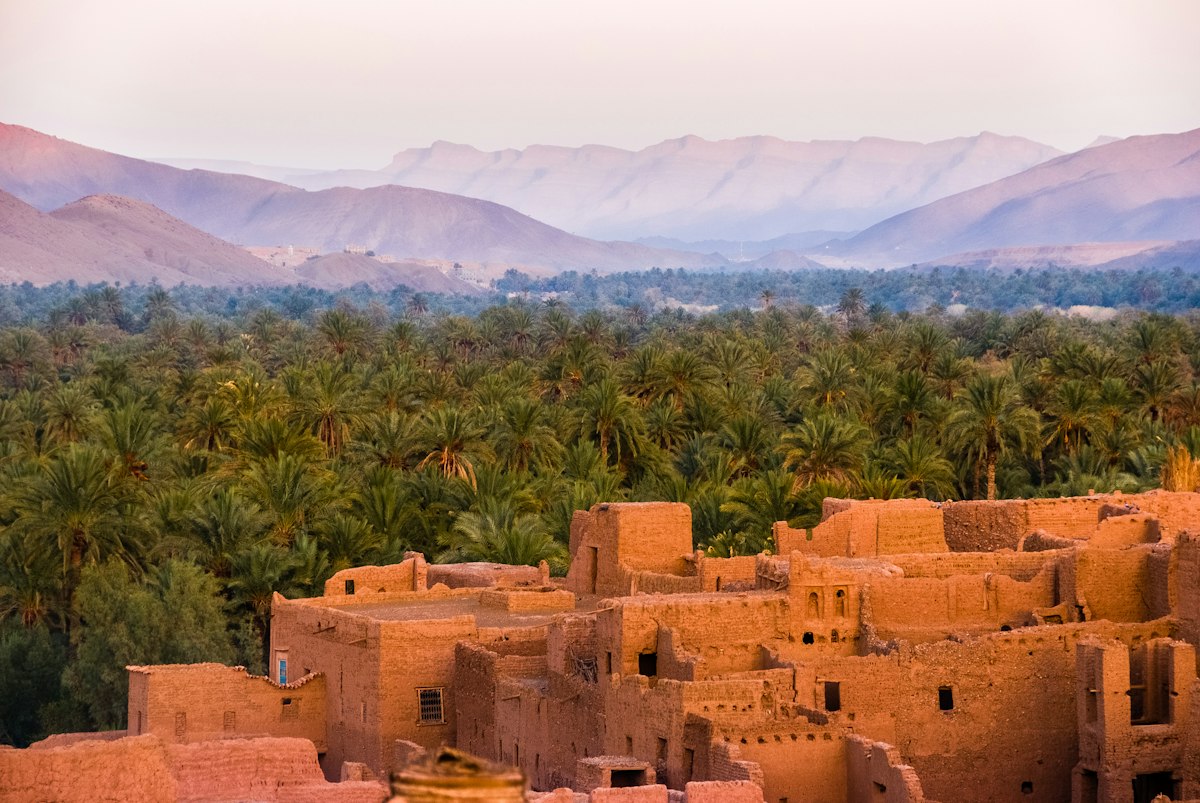
Few countries pack as much contrast into one place as Morocco. In a single trip, you can wander centuries-old labyrinths in Fes, watch the sun set over the Sahara from a sand dune, swim in Atlantic surf near Essaouira, and sip mint tea in a carved cedar courtyard. It is a destination that rewards slow travel and genuine curiosity.
Essential Facts About Morocco
| Category | Details |
|---|---|
| Capital | Rabat (political) / Casablanca (economic) |
| Currency | Moroccan Dirham (MAD) — not freely exchangeable outside Morocco |
| Language | Arabic, Berber (Tamazight), French widely spoken in cities |
| Time Zone | GMT+1 (no DST from 2026) |
| Power Sockets | Type C and E (220V) — European adapters work |
| Tipping | Common — 10–15% at restaurants, small tips for guides and porters |
When to Visit Morocco
Morocco has distinct regional climates, so timing depends on where you plan to go:
- Spring (March–May): Best overall — mild temperatures, flowers in bloom, comfortable for hiking and city exploration
- Autumn (September–November): Excellent — heat has broken, crowds thinner than spring, Sahara still warm enough for camping
- Winter (December–February): Great for Marrakech and the south; cold in the Atlas and Fes; snow is possible at altitude
- Summer (June–August): Very hot inland and in the desert (40°C+); Essaouira and Agadir on the Atlantic coast stay cooler and more manageable
Where to Go: The Essential Destinations
Marrakech — The Red City
Morocco's most visited city is a full sensory experience. The medina (old city) is a UNESCO World Heritage Site and a labyrinth of souks, mosques, and riads — traditional courtyard houses, many now converted into boutique hotels. Jemaa el-Fna, the central square, transforms at dusk into an open-air theater of musicians, storytellers, and food vendors. Do not miss the Bahia Palace, the Saadian Tombs, and the Majorelle Garden.

Fes — Morocco's Intellectual Heart
Fes el-Bali, the old medina of Fes, is the world's largest car-free urban area and one of the best-preserved medieval cities on earth. The Chouara Tannery — visible from surrounding leather goods shops — is one of Morocco's most iconic images. Fes is also home to the University of al-Qarawiyyin, founded in 859 AD and widely considered the world's oldest continuously operating university. Give Fes at least two full days.
The Sahara Desert — Merzouga and Erg Chebbi
No Morocco trip is complete without at least one night in the desert. The Erg Chebbi dunes near Merzouga rise up to 150 meters and glow orange and red at sunrise. Most visitors join a camel trek to a desert camp for an overnight stay under an extraordinary sky. The journey from Marrakech takes around 9–10 hours by road or a short flight to Errachidia followed by a transfer.
Chefchaouen — The Blue City
Tucked into the Rif Mountains of northern Morocco, Chefchaouen is famous for its blue-painted streets and buildings. It is smaller and calmer than Marrakech or Fes, making it an ideal place to slow down, wander, and photograph. The surrounding mountains offer excellent hiking, and the town has a growing selection of good restaurants and guesthouses.
Essaouira — The Atlantic Wind City
If you want ocean air and a more relaxed pace, Essaouira delivers. This fortified coastal town has a thriving arts scene, excellent seafood, and consistent Atlantic winds that have made it a hub for kitesurfing and windsurfing. The medina is walkable in a few hours, and the ramparts overlooking the ocean are spectacular at golden hour.

Getting Around Morocco
Morocco has several reliable transport options depending on your route:
- ONCF Trains: Morocco's national rail network connects Casablanca, Rabat, Fes, Marrakech, and Tangier. Clean, comfortable, and affordable — the best option for city-to-city travel in the north.
- CTM / Supratours Buses: Reach cities the train does not. Reliable, air-conditioned, and bookable in advance.
- Grand Taxis: Shared long-distance taxis that run fixed routes — fast but depart when full, not on a schedule.
- Rental Car: The best option for the south (desert routes, Atlas villages, Draa Valley). Roads are generally good, and GPS is reliable.
- Domestic Flights: Royal Air Maroc connects major cities quickly — useful for the Casablanca–Marrakech–Agadir triangle.
What to Eat in Morocco
Moroccan cuisine is one of the great food cultures of the world — fragrant, layered, and deeply satisfying. These are the dishes you must try:
- Tagine — slow-cooked stew of meat (lamb, chicken, or beef) with vegetables, olives, and preserved lemons in a conical clay pot
- Couscous — steamed semolina with vegetables and meat, traditionally served on Fridays
- Pastilla — a flaky pastry filled with pigeon or chicken, almonds, and spiced with cinnamon and sugar — sweet and savory together
- Harira — a rich tomato, lentil, and chickpea soup; particularly popular during Ramadan
- Mechoui — slow-roasted whole lamb, especially common in Marrakech
- Mint tea — sweet, strong, and poured from height to create a froth — drinking it is a ritual, not just a beverage
Practical Tips for Visiting Morocco
Dress Respectfully
Morocco is a Muslim-majority country. While cities are relatively relaxed, dressing modestly — covered shoulders and knees — is appreciated, especially in medinas, mosques (where permitted), and rural areas. This applies to all genders.
Bargaining Is Expected in Souks
Fixed-price shops are clearly marked. Everywhere else in a souk, bargaining is the norm. Start at roughly half the asking price and settle somewhere in the middle. Do not feel pressured, do not begin bargaining if you are not serious about buying, and always keep the exchange friendly.
Carry Small Change
Many smaller vendors, hammams, and tipping situations require small dirham bills and coins. ATMs are widely available in cities — withdraw cash on arrival as some rural areas have limited access.
Morocco Budget Guide 2026
| Budget Level | Daily Spend (USD) | What It Gets You |
|---|---|---|
| Budget | $40–60 | Hostel dorm, street food, local buses, free attractions |
| Mid-range | $80–120 | Riad guesthouse, sit-down restaurants, occasional guided tour |
| Comfort | $150–200+ | Boutique riad, private driver, fine dining, desert camp upgrades |
FAQ — Morocco Travel
Do I need a visa to visit Morocco?
Citizens of the US, UK, EU, Canada, and most Western countries can enter Morocco visa-free for up to 90 days. Always verify current requirements with the Moroccan embassy or your government's travel advisory before your trip.
What is the best time to visit Morocco?
The best times are spring (March to May) and autumn (September to November) when temperatures are comfortable across the country. Summer is very hot, especially in the desert and inland cities. Winter is mild on the coast but cold in the Atlas Mountains.
Is Morocco safe for tourists?
Morocco is generally safe for tourists. The main concerns are petty theft in busy medinas and persistent touts in tourist areas. Use standard urban travel precautions, keep valuables secure, and be cautious of unsolicited guides.
How much does a trip to Morocco cost?
Morocco is very affordable. Budget travelers can manage on $40–60 per day including accommodation, food, and transport. Mid-range travelers spending $80–120 per day can enjoy riads, guided experiences, and comfortable transport.
Final Thoughts
Morocco is the kind of place that gets under your skin. It is chaotic and beautiful and occasionally overwhelming in the best possible way. Go without a fully locked-down itinerary, leave room to wander, say yes to tea, and let the country surprise you. It will.


Comments
Post a Comment