Japan Travel Guide 2026: Everything You Need to Know Before You Go
Japan Travel Guide 2026: Everything You Need to Know Before You Go
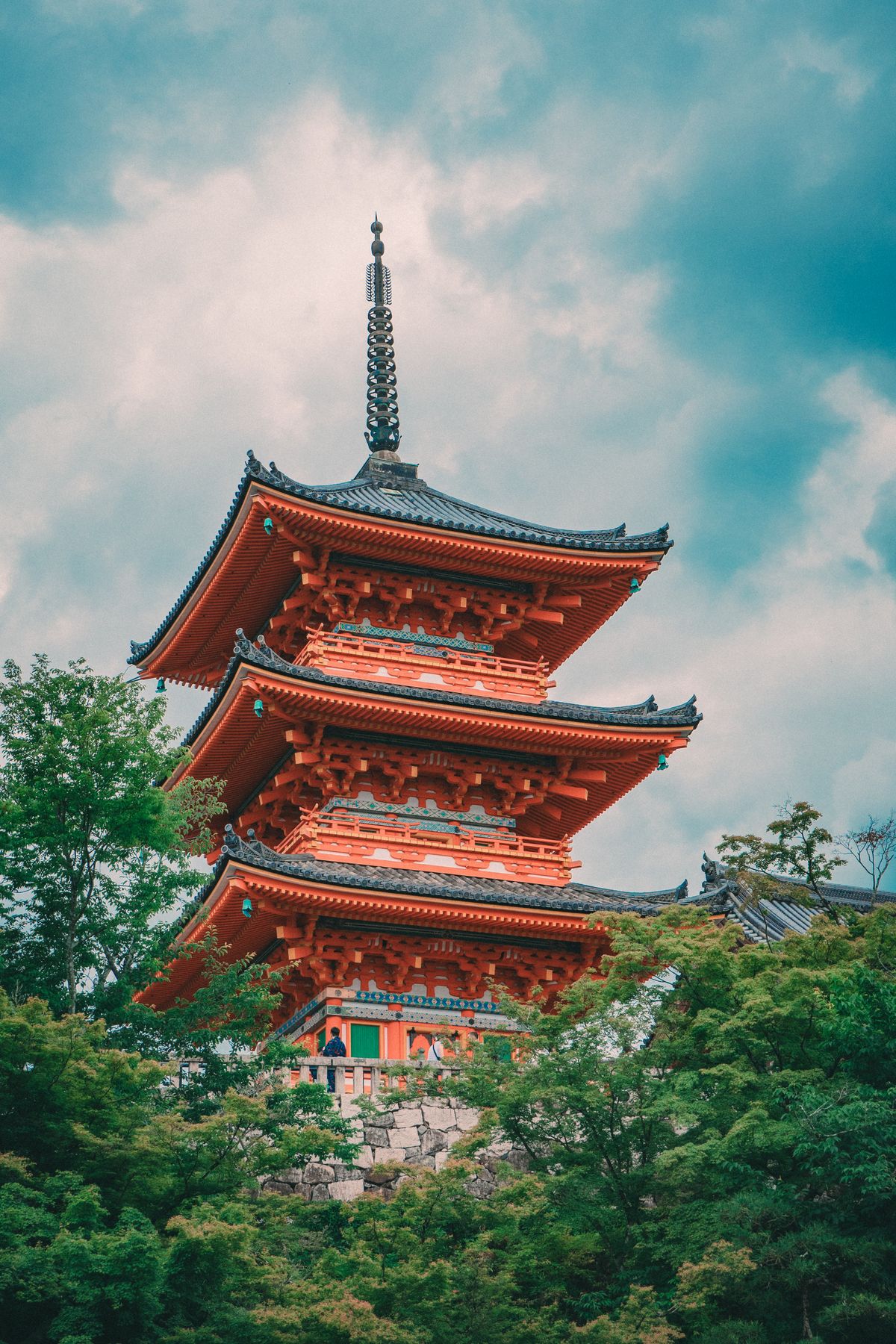
There is a moment that every first-time visitor to Japan describes in almost exactly the same way: you step off the Shinkansen, walk out of the station, and stop. The city unfolds around you with a precision and an energy unlike anywhere else on earth — vending machines humming on silent streets at midnight, shrine gates glowing vermilion against misty hills, ramen steam rising from a counter where twelve people eat shoulder-to-shoulder without saying a word. You realize immediately that nothing you read quite prepared you for this.
Japan in 2026 is as extraordinary as ever — and smarter about managing its visitors than before. New crowd-management systems, updated transport rules, and a shift in the tax refund process mean that a little preparation goes a long way. This guide gives you everything you need to plan a trip that feels effortless from the moment you land.
⚡ Quick Facts — Japan
| Detail | Info |
|---|---|
| 🌍 Capital | Tokyo |
| 🗣️ Language | Japanese (English signage widespread in major cities) |
| 💵 Currency | Japanese Yen (¥ / JPY) — verify current exchange rates |
| ⏰ Time Zone | JST — UTC+9 (no daylight saving time) |
| 🌤️ Best Time | Spring (Mar–May) · Autumn (Oct–Nov) |
| ✈️ Main Airports | Tokyo Narita (NRT) · Tokyo Haneda (HND) · Osaka Kansai (KIX) |
| 🔌 Power | Type A — 100V (bring an adapter if needed) |
| 💳 Tipping | Never tip — it can confuse or offend staff |
🌸 Best Time to Visit Japan in 2026
Japan transforms dramatically with every season — there is genuinely no wrong time to go, only different experiences waiting for you.
Spring (Mar–May)
Cherry blossoms, mild weather, hanami picnics. Peak crowds and prices in late March–April.
Summer (Jun–Aug)
Vibrant festivals and fireworks. Hot and humid — especially July–August. June rainy season has fewer crowds.
Autumn (Oct–Nov)
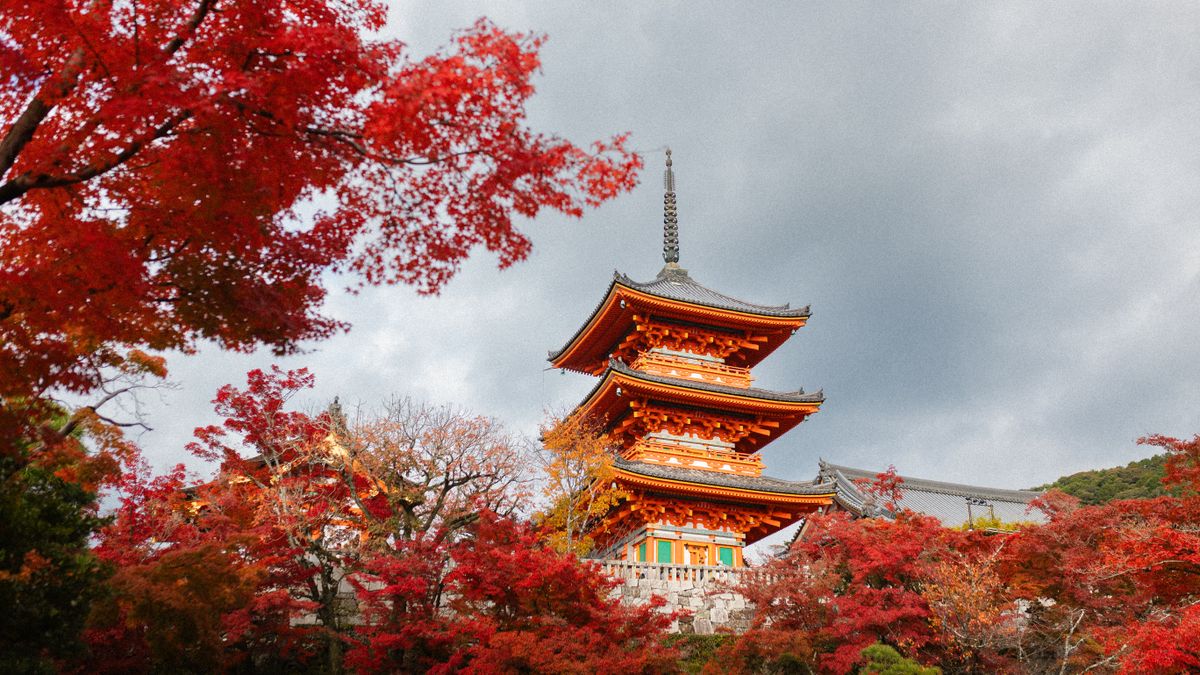
Fiery maple foliage, cool air. Late October to early November is the sweet spot — best balance of beauty and crowds.
Winter (Dec–Feb)
Quietest season, lowest prices. Ski Hokkaido, soak in snow onsens. Avoid Christmas and New Year week.
🏙️ Top Cities and Regions to Visit
Tokyo — Where the Future and the Past Collide
Japan's capital is a city of infinite layers. Spend days in Shinjuku's neon-drenched streets, mornings in the serene Meiji Shrine gardens, afternoons in the vintage shops of Shimokitazawa, and evenings eating your way through Shibuya's basement food halls. Tokyo rewards slow exploration more than any checklist-style sightseeing.
Kyoto — Japan's Soul
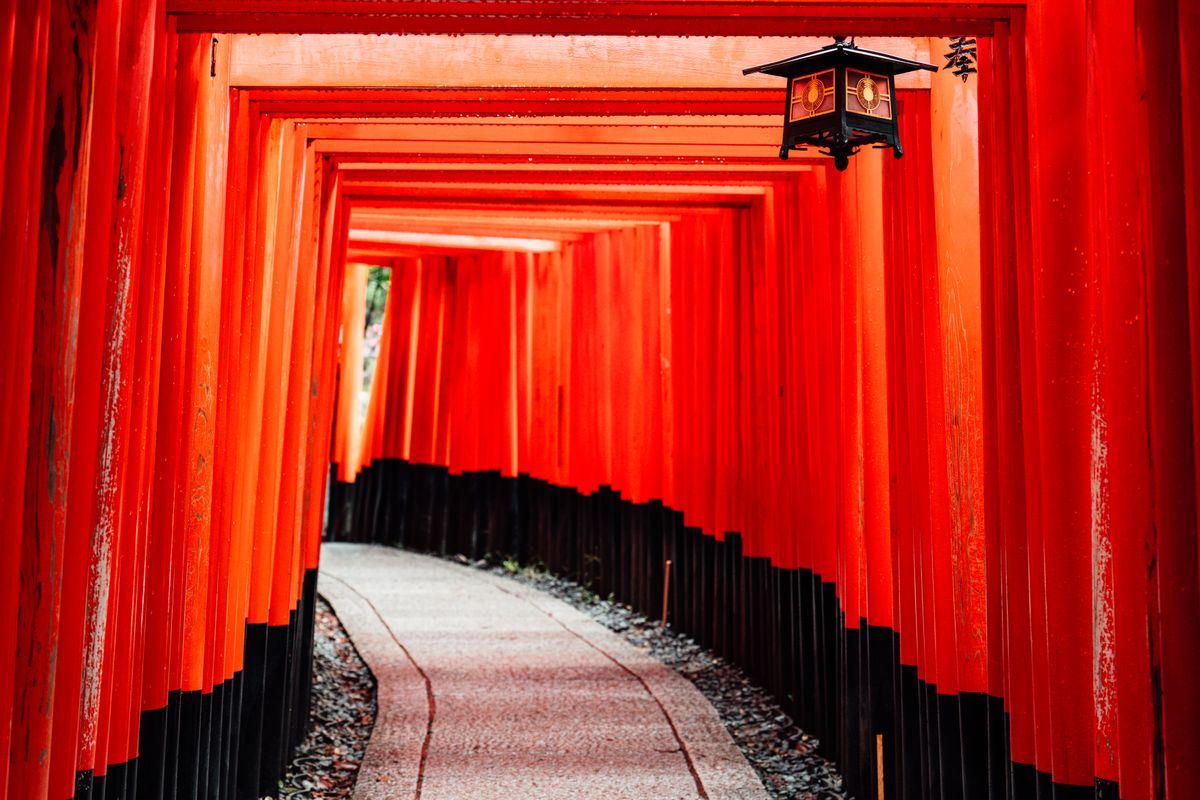
If Tokyo is the country's heartbeat, Kyoto is its soul. Former imperial capital, home to over 1,600 temples, the geisha districts of Gion, and the thousands of vermilion torii gates climbing Fushimi Inari mountain. Kyoto is the Japan that lives in every dream about this country — and it delivers in person every single time. Walk the Philosopher's Path in spring when the cherry trees line the canal, or come in November when the maple leaves set the temple gardens ablaze with orange and red.
Osaka — Japan's Kitchen and Comedy Capital
Osaka runs on food, energy, and a sense of humor that sets it apart from anywhere else in Japan. The locals have a saying: kuidaore — eat until you drop. Street food in Dotonbori, takoyaki (octopus balls) fresh off the griddle, kushikatsu (deep-fried skewers) at a counter bar — Osaka is where you loosen your belt and your itinerary and simply follow your nose.
Hokkaido — Japan's Wild North
Japan's northernmost island is a world apart: powder snow in winter that skiers travel from across the globe to experience, lavender fields in July, and a raw natural landscape of volcanic calderas and remote coastlines that feels nothing like the cities further south. If you want to see a completely different side of Japan, Hokkaido delivers it.
🍜 What to Eat in Japan
Japanese food is one of the great cuisines of the world — and in Japan itself, even the most casual meal is prepared with a level of care that feels extraordinary. Do not leave without trying:
- Ramen — each region has its own style: Tokyo's soy-based, Kyoto's light chicken, Hokkaido's rich miso, and Fukuoka's creamy tonkotsu pork broth
- Sushi and sashimi — from conveyor belt kaiten-zushi to intimate omakase counters where the chef decides the menu
- Yakitori — charcoal-grilled skewers of chicken, vegetables, and everything in between, eaten standing at lantern-lit stalls
- Onigiri — rice balls from any convenience store, freshly made and perfect for breakfast on the go
- Matcha everything — tea ceremonies in Kyoto, matcha ice cream in Nara, matcha lattes everywhere
🚄 Getting Around Japan
| Transport | Details |
|---|---|
| 🚄 Shinkansen (Bullet Train) | The fastest and most comfortable way to travel between cities. Book in advance during peak seasons. Prices vary — check current fares before planning. |
| 🚇 City Metro | Tokyo, Osaka, and Kyoto all have excellent metro systems. IC cards (Suica/Pasmo) work on most trains and buses nationwide and can also pay at convenience stores. |
| 🎫 JR Pass | Can save money for multi-city itineraries. Worth comparing against individual ticket costs for your specific route before purchasing. |
| 🚌 Highway Bus | The most budget-friendly option between cities. Slower than the Shinkansen but very comfortable overnight buses save on accommodation costs. |
| ✈️ Domestic Flights | Budget airlines like Peach and Jetstar connect major cities and remote islands. Worth checking for Hokkaido or Okinawa routes. |
💴 Budget Guide for Japan 2026
| Budget Level | Daily Estimate | Style |
|---|---|---|
| 💰 Budget | ¥7,000–¥10,000/day | Hostels, convenience store meals, local transport |
| 💳 Mid-Range | ¥15,000–¥25,000/day | Business hotels, restaurant meals, day trips |
| 💎 Comfort | ¥40,000+/day | Ryokan stays, high-end dining, private tours |
🧳 Essential Practical Tips
- Visa: Many nationalities can enter Japan visa-free for 90 days or less. Always verify current requirements via Japan's official immigration website before traveling.
- Cash: Japan is still largely cash-based, especially outside major cities. Always carry yen — ATMs at 7-Eleven and Japan Post accept most international cards.
- SIM / Pocket Wi-Fi: Rent a pocket Wi-Fi device or buy a data SIM at the airport. Staying connected is essential for navigation and translation.
- Google Translate Camera: Point it at menus, signs, and labels. Works remarkably well with Japanese characters.
- Shoes: You will remove your shoes frequently — at traditional restaurants, ryokan, and temples. Slip-on shoes make life considerably easier.
- Trash Bins: Almost nonexistent in public spaces. Carry a small bag for your rubbish until you find a convenience store with a bin.
- Quiet on Transit: Talking loudly or taking phone calls on trains is considered rude. Keep it silent — the Japanese always do.
❓ Frequently Asked Questions
Do I need a visa to visit Japan in 2026?
Many nationalities — including the US, UK, EU, Australia, and Canada — can visit Japan visa-free for up to 90 days. Requirements change — always verify your specific situation through Japan's official immigration portal before making any bookings.
What is the best time to visit Japan?
Spring (late March to early May) for cherry blossoms and autumn (October to November) for fall foliage are the most popular windows. Late October to early November offers the best combination of beautiful weather, stunning colors, and manageable crowds.
Is Japan expensive to visit?
Japan suits every budget. Budget travelers can manage well on ¥7,000–¥10,000 per day using hostels, convenience stores, and local transport. Mid-range trips typically cost ¥15,000–¥25,000 per day. Exchange rates fluctuate — always check current rates before planning your budget.
Is the JR Pass worth buying in 2026?
It depends on your route. If you plan to travel between Tokyo, Kyoto, Osaka, and Hiroshima, the pass can save significant money. For shorter itineraries or single-region stays, individual tickets may be more economical. Compare the cost of your planned journeys before purchasing.
Is Japan safe for solo travelers?
Japan is consistently ranked among the safest countries in the world. Crime rates are extremely low, locals are genuinely helpful, and the infrastructure makes solo navigation straightforward even without Japanese language skills.
Japan Is Not Just a Destination — It Is a Standard
Every traveler who visits Japan comes back saying the same thing: nowhere else operates like this. The trains run on time down to the second. The food is extraordinary at every price point. The kindness is real, not performed. Japan does not just raise the bar for travel — it resets it entirely. When you finally book that flight, you will understand exactly what we mean.


Comments
Post a Comment