I Deleted Social Media for 90 Days — Here's What Changed
Last Updated: September 2026
I Deleted Social Media for 90 Days — Here's What Changed
I did not plan to do it for 90 days. I planned to do it for a week — just to see what happened. Three months later, I had not gone back. Here is what I found out about myself in the silence.
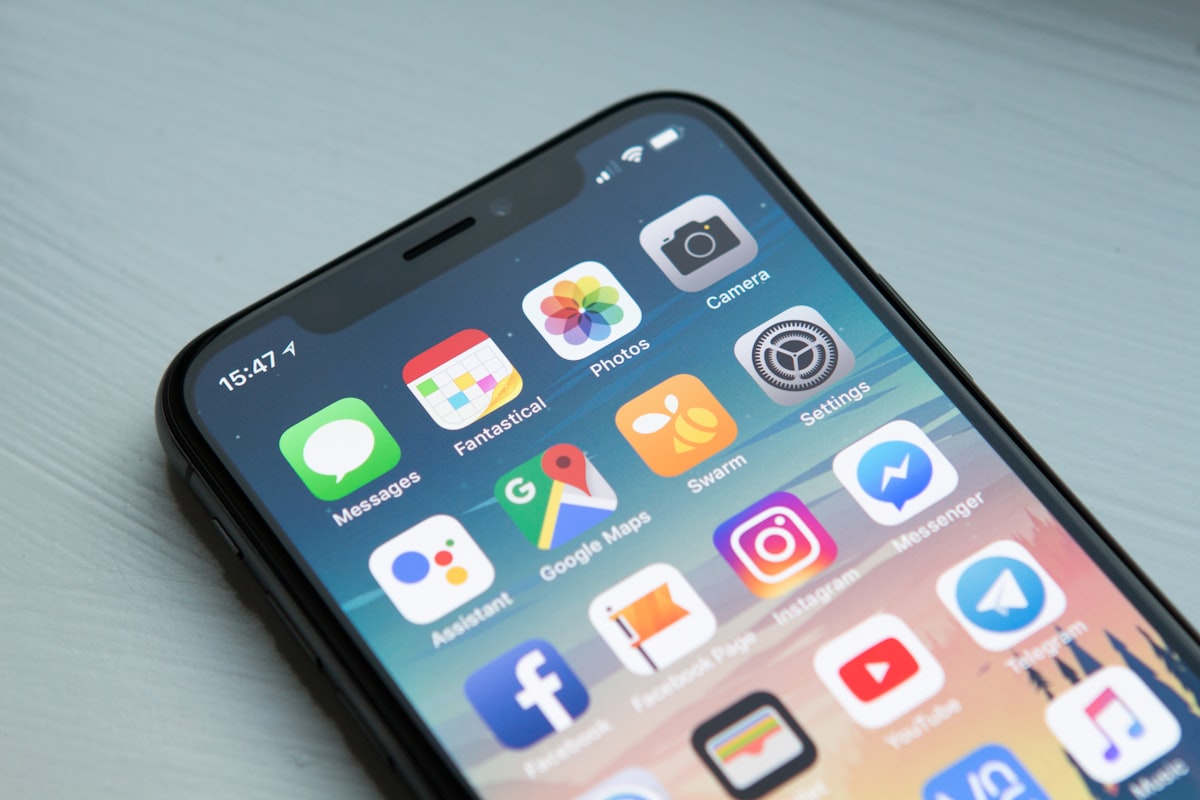
It started on a Tuesday afternoon when I noticed something unsettling. I had picked up my phone, opened Instagram, scrolled for maybe four minutes, put the phone down, and immediately — automatically, without thinking — picked it up again and opened Instagram. Same app. Same scroll. Less than 60 seconds later.
I sat there looking at the phone in my hand and thought: I have no idea I am doing this. It is not a choice anymore. It is just what my hands do.
That evening, I deleted Instagram, TikTok, Twitter, and LinkedIn from my phone. Not deactivated — just deleted the apps. I told myself I would try one week.
The First Two Weeks: Worse Than I Expected
The first three days were genuinely strange. I kept reaching for my phone with the specific intention of checking something that was no longer there. The gesture was so automatic that my thumb would tap the empty space where the app used to be before my brain caught up with what I was doing.
I was also bored in a way I had forgotten was possible. Waiting for coffee to brew. Sitting in a waiting room. Standing in a queue. These previously unremarkable moments now felt oddly uncomfortable — like having an itch with nowhere to scratch. I had apparently trained myself to never sit with an idle moment. Every gap in activity had become an opportunity to reach for the feed.
By the end of week two, something had shifted. The phantom reaching slowed down. The boredom started feeling less like discomfort and more like — space. Not emptiness. Space.
Week Three: The Time Appeared From Nowhere
I had told myself before that I did not have time to read more, to exercise consistently, to call people I had been meaning to call for months. Three weeks in, I was doing all three.
I had not added any hours to my day. I had just stopped filling fragments of time with scrolling. Fifteen minutes here. Eight minutes there. The commute. The lunch break. Time that had previously dissolved into feeds was suddenly available.
I read two books in three weeks. I had not finished a book in four months before that.

Month Two: The Comparison Stopped
This was the change I had not anticipated at all. I had not thought of myself as someone particularly affected by social comparison. I was not the type to feel bad about other people's highlight reels — or so I believed.
Six weeks in, I noticed that a particular low-grade mental noise had gone quiet. The running internal commentary of where I was relative to everyone else — their careers, their travels, their relationships, their bodies. I had not realized how constant that noise was until it stopped.
I started thinking about my own life in terms of what I actually wanted, rather than what looked good or what others were doing. Small but significant. Like cleaning a smudged lens and not realizing how smudged it had been.
What I Missed — Honestly
I want to be honest about this part, because most social media detox stories skip it. There were things I genuinely missed.
I missed knowing what was happening in the world in a casual, ambient way. News came to me on social feeds in a format I had become accustomed to — headlines, takes, reactions. Without it, I had to seek out news deliberately, and I found I checked it far less. Whether that is a benefit or a loss depends on your view.
I missed some genuine community. A photography group I had been part of for years. An ongoing conversation thread with people who shared a niche interest. These were real connections, not passive scroll content, and the platforms were where they lived. Some of them I was able to move to other channels; some I simply lost contact with.
I also, occasionally, missed the easy entertainment. Late-night mindless scrolling when you are too tired to do anything meaningful but too awake to sleep. That window still exists, and I filled it with worse alternatives at first before finding better ones.
Month Three: A Different Relationship With My Own Thoughts
By month three, the most significant change was one I find hardest to describe. My inner life felt quieter. More mine.
Social media feeds you a constant stream of other people's framing — their opinions, their aesthetics, their takes on what matters. After three months without it, I noticed I was forming thoughts more slowly and more independently. Ideas that emerged from genuine curiosity rather than from someone else's hot take landing in my feed at 9 AM.
I started journaling again, which I had abandoned years ago. Not because journaling is inherently better than social media — but because I had enough mental space to want to make sense of my own experience rather than constantly ingesting others'.
Did I Go Back?
At 90 days, I made a deliberate choice rather than a default one. I reinstalled one platform — LinkedIn, for professional reasons — with strict rules: desktop only, no app, no notifications, checked once a week.
I did not reinstall the rest. Not because I think social media is evil or that everyone should quit. I returned to using some platforms later, but differently — intentionally, briefly, without notifications, and with a much clearer sense of what I was getting from them versus what they were taking.
The 90 days did not make me hate social media. They made me stop being unconscious about it. That distinction matters.
What I Would Tell Anyone Thinking About Doing This
The first two weeks are the hardest — not because social media withdrawal is physically difficult, but because you have to sit with your own mind in a way you may not have for years. Some of what comes up in that space is not comfortable. That discomfort is the point. Stay with it.
You will not miss as much as you fear. And you will find things you forgot were there.
FAQ
What happens when you delete social media for 90 days?
Most people report initial discomfort and phantom phone-checking urges in the first two weeks, followed by improvements in focus, mood, sleep quality, and available time. Many also find that anxiety and comparison-driven thinking decrease significantly.
Will I miss out if I leave social media?
The fear of missing out is often the biggest barrier — but most people find the opposite happens. Real-world connections strengthen when you invest more intentional time in them, and the constant low-grade anxiety of social media feeds decreases.
How do you stay in touch with people without social media?
Direct messaging apps, phone calls, emails, and in-person plans replace social media for genuine relationships. Most people find that quitting social media reveals which connections were real and which were passive scroll-by interactions.


Comments
Post a Comment