How to Read More Books When You Have No Time
Last Updated: September 2026
How to Read More Books When You Have No Time
You do not need more time to read more books. You need a different relationship with the time you already have. Here are 10 strategies that actually work — no 5 AM wake-ups required.
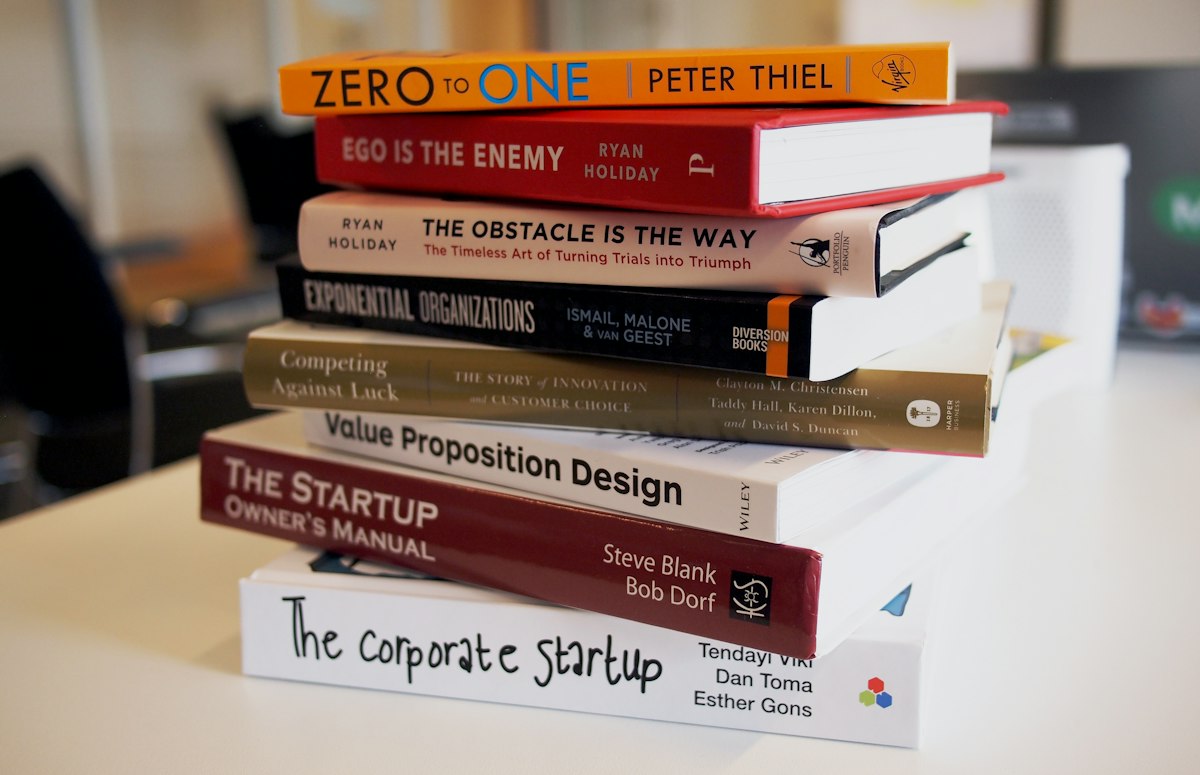
Most people who say they do not have time to read spend several hours a day on their phone. This is not a judgment — it is a pattern that is genuinely hard to break when scrolling delivers instant, frictionless stimulation and reading requires a bit more effort to get started.
The good news: reading more is almost entirely a habit and environment design problem, not a time problem. These strategies address both.
1. Set a Page Goal, Not a Time Goal
Saying "I will read for 30 minutes every day" sounds achievable, but it is easy to skip when the day goes sideways. Instead, commit to a small page number — even 15 or 20 pages. It takes about 15–20 minutes, feels more tangible, and gives you a clear sense of completion.
At 20 pages a day, you will read approximately 7,000 pages a year — that is 15 to 20 books depending on length. Most people drastically underestimate what this compounds to.
2. Always Have a Book With You
Dead time is reading time. Waiting rooms, queues, public transport, early arrivals — these fragments add up to hours each week. The only prerequisite is having a book accessible. On your phone, use Kindle or any reading app so your book is always one tap away.
3. Replace Scrolling With Reading Before Bed
The 30–60 minutes before sleep is prime reading time for most people. Phones are typically already nearby, screens are winding down, and the mind is shifting into a slower mode. Replacing even half of that time with a book delivers reading time without requiring any change to your schedule — just a swap of one screen for another type of content.
As a bonus, reading before bed (especially fiction) is associated with better sleep quality compared to social media or news consumption.

4. Use Audiobooks for Unavoidable Non-Reading Time
Commuting, cooking, cleaning, exercising, walking — these activities occupy significant portions of most people's days and are largely incompatible with physical reading. Audiobooks unlock all of this time. At a modest 1.25x speed, you can comfortably finish an average audiobook in under 8 hours of listening time.
Audible, Libro.fm, and your public library's Libby app (free) are the main options. Many libraries offer free audiobook access with a library card — an often-overlooked resource.
5. Read Multiple Books at Once (Different for Different Moods)
Having only one book sometimes creates a stall — if you are not in the mood for that particular book, you read nothing. Instead, maintain two or three books in parallel across different genres: a non-fiction for learning, a novel for unwinding, and perhaps a short essay collection for quick sessions. This way, you always have something that matches your current mental state.
6. Quit Books You Are Not Enjoying
The sunk cost fallacy kills reading habits. Forcing yourself through a book you dislike creates a negative association with reading time itself. Give a book roughly 50 pages — if you are still not engaged, put it down without guilt and pick up something you genuinely want to read. The goal is building a sustainable habit, not finishing every book you start.
7. Create a Dedicated Reading Environment
Your environment shapes your behavior. A chair you only use for reading, a lamp that signals reading time, and a phone left in another room all reduce the friction of starting. You do not need a grand home library — a corner of a room with a comfortable seat and good light is enough.
8. Use a Reading List and Track Your Progress
Most avid readers use a list — Goodreads is the most popular platform, but a simple notes app works just as well. Seeing your reading history builds motivation and makes the next choice easier. Without a list, you spend time deciding what to read next instead of actually reading.
- Currently reading: [1 book]
- Up next: [3–5 books you are excited about]
- Maybe later: [longer list of possibilities]
- Finished this year: [track as you go]
9. Join a Book Club or Reading Challenge
Social accountability is one of the most powerful behavior-change tools available. A book club adds external motivation, scheduled deadlines, and the pleasure of discussing what you have read. If an in-person club is not practical, Goodreads groups and online communities offer the same accountability with more flexibility.
10. Protect Your Reading Time Like a Meeting
If reading matters to you, treat it like an appointment — block the time in your calendar and decline to let other things occupy it. Even 20 minutes marked as "do not disturb" in your evening schedule communicates to your household (and yourself) that this time is protected. Reading is not something that happens with leftover time — it is something you make time for.
FAQ — Reading More Books
How many pages should I read per day to finish more books?
Reading just 20 pages a day — about 15–20 minutes — allows you to finish roughly 15 to 18 books per year, depending on book length. Consistency matters far more than daily volume.
Do audiobooks count as reading?
Research suggests comprehension and retention are similar between audiobooks and reading, especially for narrative and non-fiction content. Audiobooks are an excellent way to consume more books without carving out extra time.
Is it okay to quit a book you are not enjoying?
Absolutely. Forcing yourself through a book you dislike reduces your overall reading motivation. Quitting strategically — giving a book 50 pages or roughly 10% — and moving on keeps the habit positive and productive.
What is the best time of day to read?
Before bed is consistently the most effective reading time for most people — screens are put away, the mind is winding down, and even 20 minutes builds a strong cumulative habit. Morning reading works well for those who wake up with mental clarity.
Final Thoughts
Reading more is not a discipline problem — it is a design problem. Make books more accessible, reduce the friction of starting, protect small windows of time, and stop forcing yourself through books that do not grab you. The habit builds on itself. Start with 15 pages tonight and see where you are in a year.


Comments
Post a Comment