How to Manage Anxiety Naturally: 10 Science-Backed Strategies
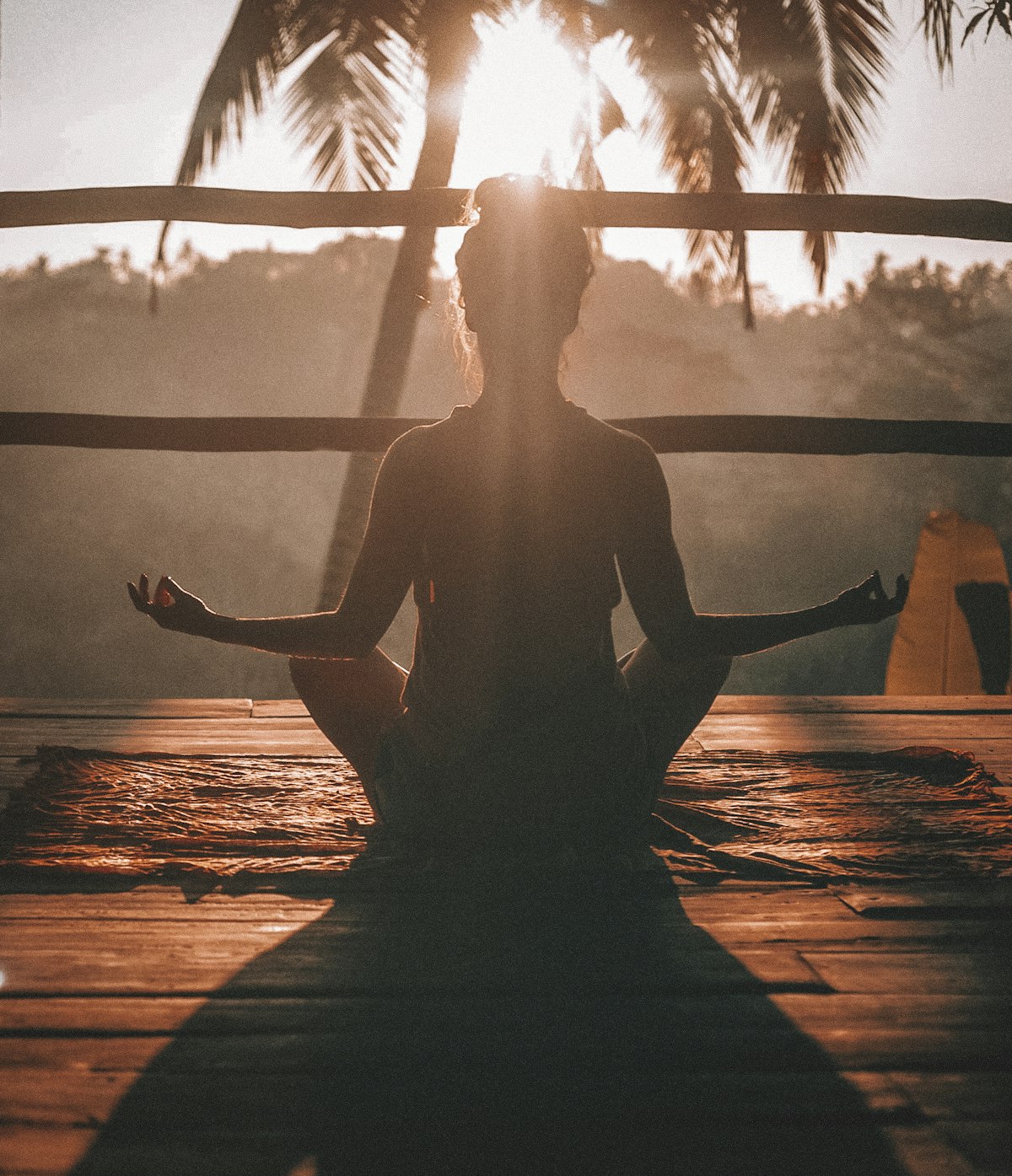
How to Manage Anxiety Naturally: 10 Science-Backed Strategies
Anxiety is one of the most common experiences in the modern world. It shows up as racing thoughts at 2 AM, a tight chest before a meeting, constant low-level dread you can't quite name. For millions of people, it has become a daily companion — uninvited, exhausting, and hard to shake.
The good news: you have more control than you think. Research consistently shows that certain lifestyle-based strategies can significantly reduce anxiety symptoms, calm the nervous system, and help your body respond to stress more effectively. These are not quick fixes or magical cures. They are evidence-based practices that actually work — when applied consistently.
Here are 10 science-backed strategies to manage anxiety naturally.
1. Practice Deep Breathing
When anxiety hits, your breathing becomes shallow — signaling danger to your brain and keeping the stress response active. Controlled breathing does the opposite: it activates the parasympathetic nervous system and tells your body the threat has passed.
Box breathing (4 counts in, 4 hold, 4 out, 4 hold) is another widely used method — popular with military personnel and high-performance athletes for exactly this reason.
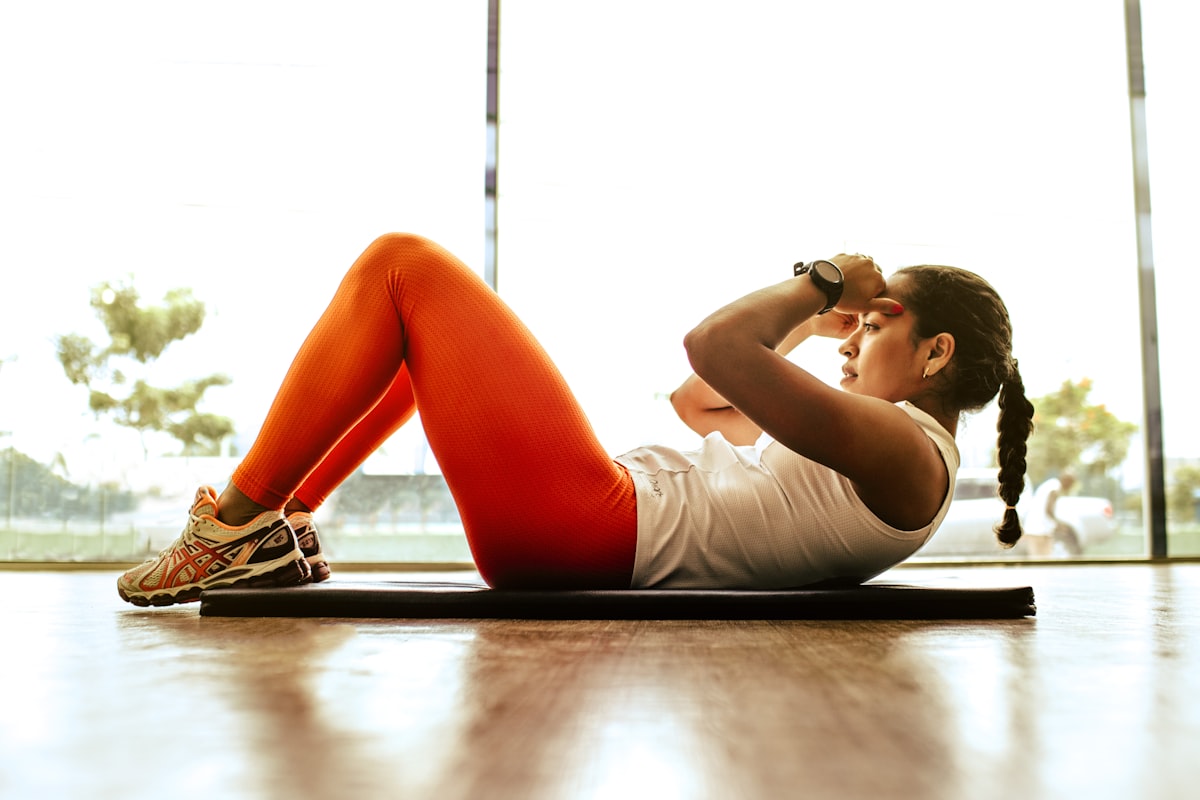
2. Move Your Body Every Day
Exercise is one of the most well-researched natural interventions for anxiety. Physical activity releases endorphins, reduces cortisol (the stress hormone), and improves overall brain function. Harvard Health research consistently supports aerobic exercise — jogging, cycling, swimming — as particularly effective.
You don't need an intense workout. A 15–30 minute walk each day can make a measurable difference. What matters most is consistency, not intensity. Movement every day beats an intense session once a week.
3. Build a Mindfulness Practice
Mindfulness — paying attention to the present moment without judgment — has decades of research behind it. Regular mindfulness practice has been shown to reduce anxiety, decrease rumination, and improve emotional regulation over time.
Start small: five minutes of quiet attention to your breath each morning. Use apps like Headspace or Insight Timer if you want guided support. The key is daily practice, even briefly, rather than long occasional sessions.
4. Fix Your Sleep First
Anxiety and poor sleep feed each other in a vicious loop. Anxiety disrupts sleep; poor sleep amplifies anxiety the next day. Breaking this cycle is often the highest-leverage change you can make.
- Keep a consistent wake time — even on weekends
- Avoid screens for 60 minutes before bed
- Keep your bedroom cool, dark, and quiet
- Avoid caffeine after 2 PM
- Use a wind-down routine to signal sleep to your nervous system
5. Reduce Caffeine and Alcohol
Caffeine is a stimulant that directly increases heart rate and can trigger or worsen anxiety symptoms, particularly in sensitive individuals. If you're struggling with anxiety, try reducing caffeine gradually and observe what changes.
Alcohol may feel like it relieves anxiety short-term, but it disrupts sleep architecture and raises baseline anxiety levels over time. It is not a coping tool — it is a cycle amplifier.
6. Eat to Support Your Nervous System
What you eat affects how you feel. Research links blood sugar instability, gut health, and nutritional deficiencies to elevated anxiety levels. A few evidence-based dietary adjustments:
- Eat regular meals: Blood sugar crashes amplify anxiety symptoms
- Include omega-3 fatty acids: Found in fatty fish, walnuts, and flaxseed — linked to reduced inflammation and lower anxiety
- Prioritize magnesium-rich foods: Dark leafy greens, nuts, seeds — magnesium plays a key role in nervous system regulation
- Support your gut: Fermented foods like yogurt, kefir, and sauerkraut support the gut-brain axis
7. Spend Time in Nature
Research consistently shows that time in natural environments reduces cortisol, lowers blood pressure, and improves mood. Even 20 minutes in a park or green space can measurably reduce stress hormones.
If you live in a city, this requires intentional effort. Schedule it the same way you would a workout. It is not a luxury — it is a legitimate anxiety management tool.

8. Reframe Your Thinking
Anxiety feeds on "what if" thinking — catastrophic, future-focused scenarios that feel real but rarely are. Cognitive reframing is the practice of identifying these patterns and replacing them with more realistic, balanced thoughts.
This is the core of Cognitive Behavioral Therapy (CBT) — one of the most evidence-supported treatments for anxiety. You don't need a therapist to start: notice anxious thoughts, ask yourself "Is this actually likely?", and deliberately consider a more balanced interpretation.
9. Limit Social Media and News
Chronic exposure to distressing news and social comparison on social media is a documented contributor to anxiety — particularly in younger adults. This is not about ignorance. It is about intentional consumption.
- Set specific times to check news — not first thing in the morning
- Remove social media apps from your phone home screen
- Take scheduled digital breaks — even one day per week
- Notice how you feel after consuming content — and act on what you observe
10. Build Real Human Connection
Loneliness and social isolation are among the strongest predictors of anxiety and depression. Human connection — real, in-person, meaningful — activates the nervous system's calm response in ways that digital communication cannot replicate.
This means investing in relationships deliberately. Call instead of text. Meet in person when possible. Build at least one relationship in your life where you can be honest about how you're feeling.
Key Takeaways
- Deep breathing can activate calm within minutes — learn at least one technique.
- Daily exercise is one of the most powerful natural anxiety interventions available.
- Sleep and anxiety are tightly linked — fixing sleep is often the first step.
- Reduce caffeine, alcohol, and screen time to lower your baseline anxiety level.
- Nature, connection, and mindfulness are not soft — they are evidence-based tools.
- If anxiety is severe or interfering with daily life, always seek professional support.
Frequently Asked Questions
Can anxiety be managed without medication?
Yes. For many people, lifestyle changes like regular exercise, mindfulness, improved sleep, and dietary adjustments can significantly reduce anxiety symptoms. However, if anxiety is severe or interfering with daily life, always consult a healthcare professional.
What is the fastest natural way to reduce anxiety?
Deep breathing exercises — particularly the 4-7-8 technique or box breathing — can activate the parasympathetic nervous system within minutes, providing fast, natural anxiety relief.
How long does it take to see results from natural anxiety management?
Some strategies like breathing exercises work within minutes. Others, like exercise, improved sleep, and dietary changes, typically show noticeable results within 2–4 weeks of consistent practice.
Does exercise really help with anxiety?
Yes. Regular physical activity releases endorphins, reduces cortisol levels, and has been shown in multiple studies to significantly reduce anxiety symptoms. Even a 15-minute daily walk can make a measurable difference.
When should I see a doctor about anxiety?
If anxiety is interfering with your daily life, relationships, or work — or if you experience panic attacks, depression, or feel unable to cope — consult a qualified healthcare professional. Natural strategies are not a substitute for medical care.
Related Reading
📌 Why Am I Always Tired? 12 Causes and What to Do
📌 Sleep vs Rest: Why They're Not the Same and Why It Matters
Disclaimer: This article is for informational and educational purposes only and does not constitute medical advice. The strategies described are general wellness practices and are not intended to diagnose, treat, cure, or prevent any medical condition. If you are experiencing anxiety that interferes with your daily life, please consult a qualified healthcare professional. Sources referenced include Harvard Health Publishing, the American Psychological Association (APA), and WHO guidelines.


Comments
Post a Comment