How to Lower Blood Pressure and Cholesterol Naturally

📅 Last Updated: February 2026 | 🏷️ HEALTH | ⏱️ 9 min read
How to Lower Blood Pressure and Cholesterol Naturally
High blood pressure and high cholesterol are two of the biggest risk factors for heart attack and stroke. The good news: lifestyle changes can meaningfully improve both — often within weeks. Searches for "how to lower cholesterol without statins" have increased sevenfold. This guide covers what actually works.
Why Both Matter for Your Heart
High blood pressure strains your arteries. High LDL cholesterol builds plaque inside them. Together, they accelerate cardiovascular disease — the leading cause of death worldwide.
Doctors use QRISK calculators to estimate your 10-year heart disease risk based on cholesterol, blood pressure, age, smoking status, and other factors. Improving both numbers directly lowers that risk.
Diet: What to Eat More Of
1. Fiber — Especially Soluble Fiber
Soluble fiber binds cholesterol in your digestive tract and helps remove it. Aim for 25–35 grams of total fiber daily, with at least 10 grams from soluble sources.
Best sources: oats, barley, beans, lentils, apples, pears, and psyllium husk. Searches for "psyllium husk" rose 150% — and it is one of the most effective single additions for LDL reduction.
2. Healthy Fats — Replace Saturated with Unsaturated
Swap butter for olive oil. Swap red meat for fish or legumes a few times weekly. Replace full-fat dairy with low-fat options.
Why it works: Unsaturated fats improve cholesterol profiles. Omega-3s from fish also support blood pressure.
3. Potassium-Rich Foods
Potassium helps your body flush excess sodium and relaxes blood vessel walls. Most people do not get enough.
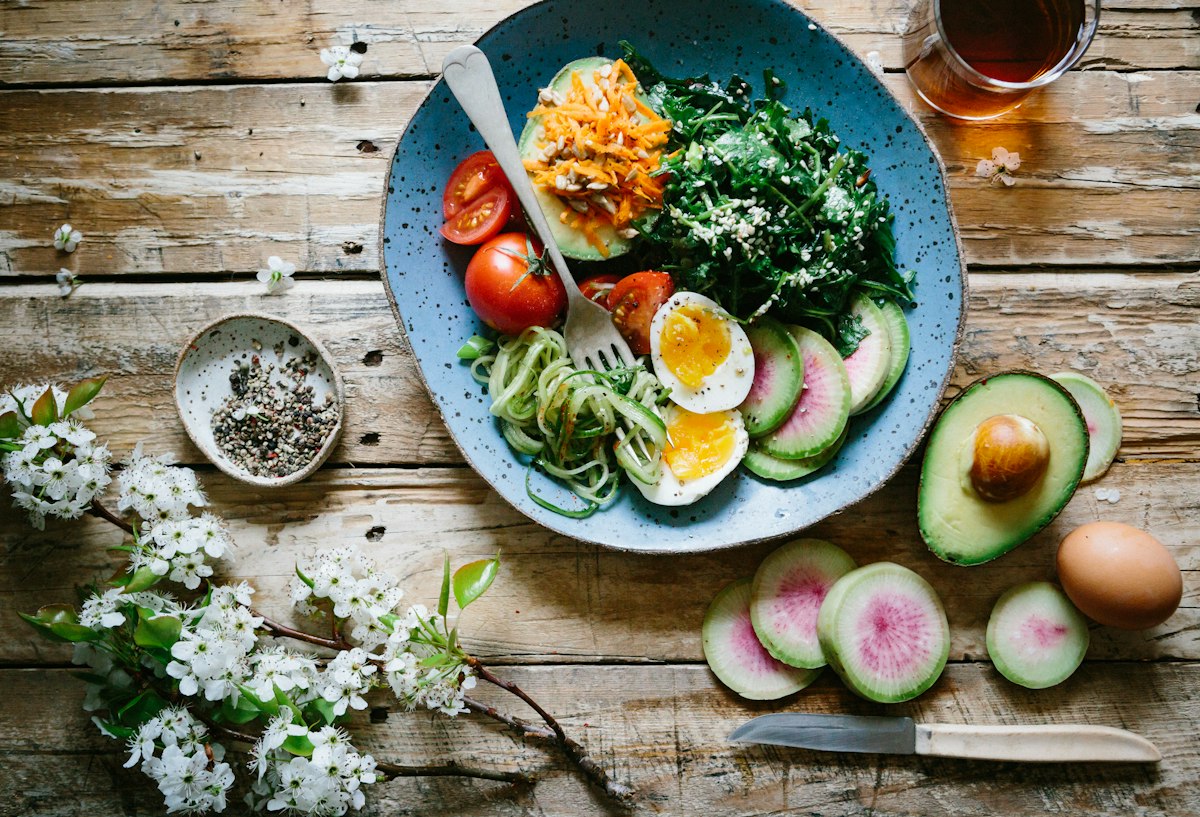
Best sources: bananas, potatoes, spinach, beans, yogurt, and avocados.
Diet: What to Reduce
4. Sodium (Salt)
Excess sodium raises blood pressure in most people. The WHO recommends less than 2,000 mg sodium daily — most adults consume 3,500 mg or more.
How to cut back: Cook more at home. Read labels. Choose "no salt added" canned goods. Use herbs and spices instead of salt.
5. Saturated and Trans Fats
Saturated fats raise LDL cholesterol. Trans fats (partially hydrogenated oils) are even worse and should be avoided entirely.
Main sources to limit: fatty red meat, butter, fried foods, commercial baked goods, and processed snacks.
6. Ultra-Processed Foods
Reviews published in The Lancet and BMJ link ultra-processed foods to inflammation, metabolic disruption, and higher cardiovascular risk. They also tend to be high in sodium, sugar, and saturated fat.
What helps: Cook from whole ingredients when possible. You do not need to be perfect — just shift the balance.
Exercise: The Most Underrated Medicine
7. Aerobic Exercise
Regular aerobic activity lowers blood pressure by 5–8 mmHg in many people — comparable to some medications. It also improves cholesterol profiles.
What to do: Aim for 150 minutes of moderate activity weekly (brisk walking, cycling, swimming). Even 10-minute sessions count.
8. Strength Training
Resistance training improves blood pressure, blood sugar, and cholesterol. It also builds muscle, which is a marker of healthy ageing.
What to do: Two sessions weekly. Bodyweight exercises, resistance bands, or weights all work.
Lifestyle Factors
9. Stop Smoking
Smoking damages blood vessels, lowers HDL (good cholesterol), and raises blood pressure. Quitting is the single most impactful change for heart health.
10. Limit Alcohol
Alcohol raises blood pressure and adds empty calories. If you drink, keep it moderate — or consider cutting back further.
11. Sleep and Stress
Poor sleep and chronic stress both raise blood pressure. "Emotional fitness" — managing stress before it escalates — is a key 2026 health focus.
What helps: Consistent sleep schedule. Breathwork. Journaling. Whatever helps you decompress.
12. Maintain a Healthy Weight
Losing even 5–10% of body weight can significantly improve both blood pressure and cholesterol. You do not need to reach an "ideal" weight to see benefits.
Do You Need Medication?
Lifestyle changes are powerful, but sometimes not enough. If your blood pressure is very high or your cholesterol remains elevated despite consistent effort, medication may be appropriate.
Statins are commonly prescribed for high cholesterol. Do not fear them — but do ask your doctor about your personal risk, benefits, and side effects. This is a decision to make together.
Never stop prescribed medication without medical guidance.
Key Takeaways
- Both blood pressure and cholesterol respond strongly to lifestyle.
- Eat more: fiber (oats, beans, psyllium), potassium, unsaturated fats.
- Eat less: sodium, saturated fat, ultra-processed foods.
- Exercise: 150 min aerobic + 2 strength sessions weekly.
- Stop smoking. Limit alcohol. Prioritize sleep and stress management.
Frequently Asked Questions
How fast can lifestyle changes lower cholesterol?
Diet changes can lower LDL by 10–20% within 4–6 weeks. Exercise adds further benefits. Full effects take 2–3 months.
Can I lower blood pressure without medication?
Many people can, especially with mild elevation. Diet, exercise, weight loss, and stress management all help. But if your blood pressure is very high, medication may be necessary.
What is the best food for lowering cholesterol?
Oats and barley are among the best studied. Psyllium husk is also highly effective. Beans, lentils, and apples are excellent everyday choices.
Is high cholesterol genetic?
Genetics play a role, but lifestyle still matters. Even with a genetic predisposition, diet and exercise can improve your numbers.
Should I take supplements for cholesterol?
Some supplements (like psyllium and plant sterols) have evidence. But food-first is best. Always check with your doctor before starting supplements.
Related Reading
📌 Why Am I Always Tired? 12 Causes and What to Do
Disclaimer: This article is for general informational and educational purposes only. It is not a substitute for professional medical advice, diagnosis, or treatment. Always consult a qualified healthcare provider before making any health-related decisions. SourceUX does not endorse any specific treatment, medication, or supplement.


Comments
Post a Comment