How to Lose Weight in a Healthy Way
How to Lose Weight in a Healthy Way: A Practical Guide
What Does Healthy Weight Loss Actually Mean?
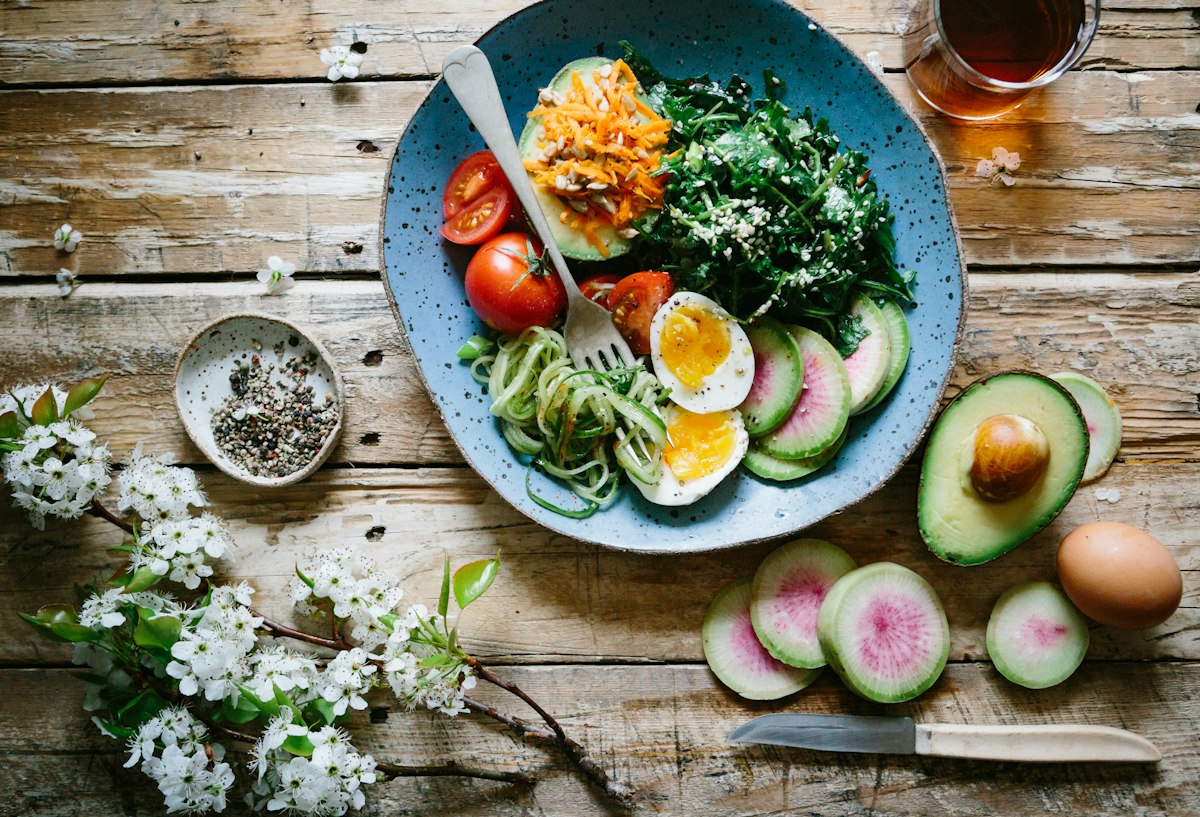
Healthy weight loss means losing body fat gradually while preserving muscle, maintaining good nutrition, and supporting your overall wellbeing. It is not simply "losing numbers on a scale as fast as possible."
According to the CDC (Centers for Disease Control and Prevention), a rate of 0.5 to 1 kg (1 to 2 pounds) per week is considered a safe and sustainable pace. Losing faster than this usually means losing water and muscle — not just fat — and is difficult to maintain long-term.
Why Most Crash Diets Fail — and What Works Instead
Extreme calorie restriction or elimination diets often produce quick early results, but they almost always lead to:
- Loss of muscle mass along with fat
- Nutritional deficiencies over time
- Rebound weight gain once normal eating resumes
- A damaged relationship with food and eating
What research consistently supports is a moderate calorie deficit, regular physical activity, adequate protein intake, and enough sleep. These four pillars are the foundation of every sustainable weight loss approach.

The 5 Pillars of Healthy Weight Loss
1. Create a Moderate Calorie Deficit
Weight loss happens when you consistently consume fewer calories than your body burns. A deficit of roughly 300–500 calories per day is generally considered sustainable — enough to produce gradual loss without triggering intense hunger or metabolic slowdown.
You do not need to count every calorie obsessively. Focusing on food quality — more whole foods, fewer processed ones — naturally tends to reduce calorie intake without the mental burden of tracking.
2. Prioritize Protein at Every Meal
Protein is the most important macronutrient for healthy weight loss. It helps you:
- Feel full longer, reducing the urge to snack
- Preserve muscle mass while in a calorie deficit
- Support your metabolism, which can slow during weight loss
Good protein sources include eggs, chicken, fish, legumes, Greek yogurt, and tofu. Aim to include a protein source in every main meal.
3. Fill Half Your Plate with Vegetables
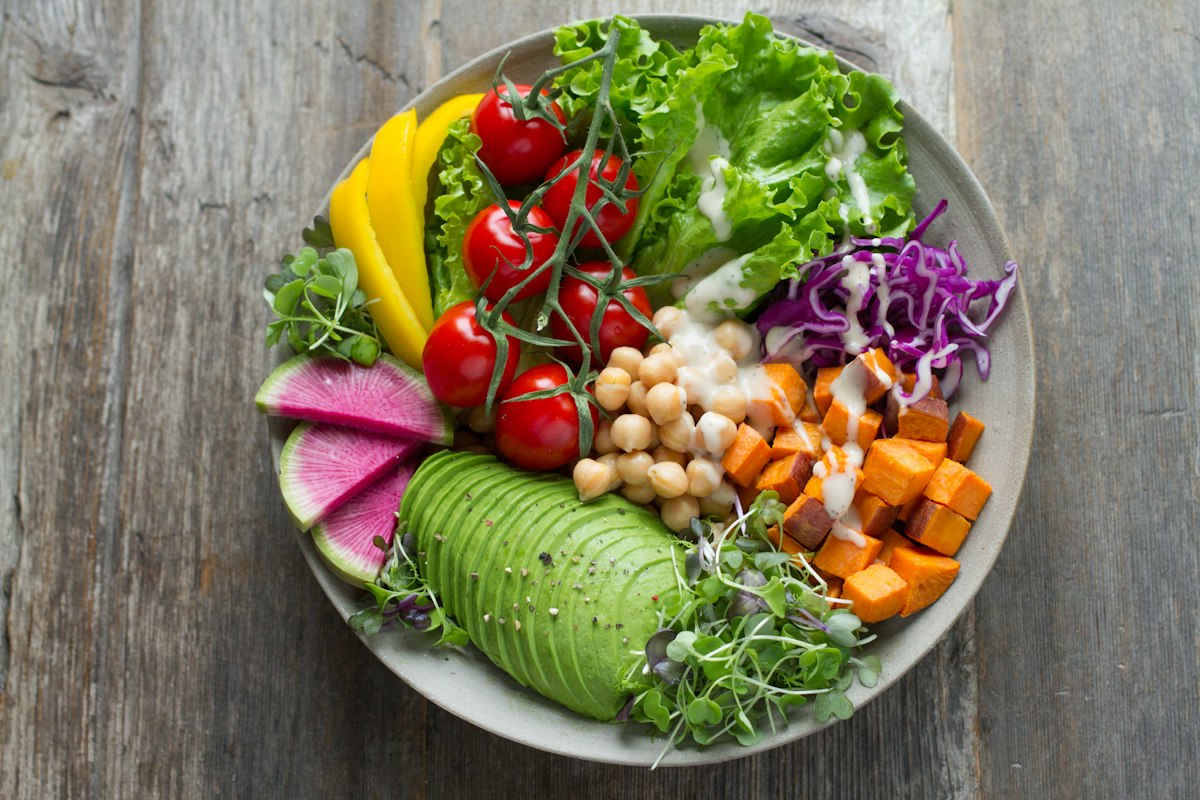
Vegetables are high in fiber and water, low in calories, and packed with micronutrients. They add volume to your meals — so you feel satisfied — without significantly adding to your calorie total. Non-starchy vegetables like leafy greens, broccoli, zucchini, and peppers are especially effective for this purpose.
4. Move Your Body Consistently
Exercise supports weight loss in two key ways: it burns additional calories and it preserves the muscle you have. The WHO recommends at least 150 minutes of moderate-intensity aerobic activity per week for general health — this is a solid starting point.
You do not need to start with intense workouts. A daily 30-minute walk is genuinely effective, especially when combined with dietary changes. Strength training two to three times per week adds an important layer by building muscle that raises your resting metabolism.
5. Prioritize Sleep and Manage Stress
Poor sleep and chronic stress are two of the most underestimated obstacles to weight loss. Research published by the National Institutes of Health (NIH) has linked insufficient sleep to increased appetite, particularly for high-calorie foods. Stress raises cortisol levels, which can encourage fat storage — especially around the abdomen.
Aim for 7 to 9 hours of quality sleep per night. Managing stress through movement, breathing exercises, or other methods you find effective is equally important.
| What Helps | What Hinders |
|---|---|
| Whole foods, vegetables, lean protein | Ultra-processed foods, sugary drinks |
| Consistent moderate exercise | Sedentary lifestyle with no movement |
| 7–9 hours of sleep per night | Chronic sleep deprivation |
| Moderate calorie deficit (300–500 cal/day) | Extreme restriction / crash dieting |
| Patience and consistency over weeks/months | Expecting dramatic results in days |
Practical Tips to Make It Easier Day to Day
- Drink water before meals — it helps reduce the amount you eat without any effort
- Eat slowly — it takes about 20 minutes for your brain to register fullness; rushing leads to overeating
- Plan meals in advance — having food ready reduces last-minute high-calorie choices
- Reduce liquid calories — sodas, juices, and flavored coffees add hundreds of calories invisibly
- Do not skip breakfast if it makes you hungrier later — for many people, a protein-rich breakfast reduces total daily intake
- Use smaller plates — a simple visual trick that genuinely influences portion size
Common Mistakes That Slow Down Healthy Weight Loss
- Eating "healthy" foods in excess — nuts, avocados, and olive oil are nutritious but high in calories
- Relying on exercise alone — physical activity helps but cannot fully compensate for a poor diet
- Stepping on the scale daily — weight naturally fluctuates by 1–2 kg day to day; weekly weigh-ins are more useful
- All-or-nothing thinking — one bad meal does not ruin progress; consistency over time is what matters
- Ignoring hunger cues — severe hunger usually leads to overeating; eating enough protein and fiber prevents it
✅ Key Takeaways
- Safe weight loss is 0.5–1 kg per week — not faster
- A moderate calorie deficit works; starvation diets do not last
- Protein is essential — it keeps you full and protects muscle
- Fill half your plate with non-starchy vegetables at every meal
- Move regularly — even walking counts toward meaningful progress
- Sleep and stress management are as important as diet and exercise
Frequently Asked Questions
💬 Have a question about your weight loss journey? Drop it in the comments — we read every one.
🔗 Next Read: How to Gain Weight in a Healthy Way
⚠️ Disclaimer: This article is for general informational and educational purposes only. It is not a substitute for professional medical advice, diagnosis, or treatment. Always consult a qualified healthcare provider before making any health-related decisions. SourceUX does not endorse any specific treatment, medication, or supplement.


Comments
Post a Comment