How to Boost Your Immune System Naturally: What Actually Works
Last Updated: September 2026
How to Boost Your Immune System Naturally: What Actually Works
Your immune system is not a single thing you can switch on — it is a complex network that responds to how you live every day. Here is what science actually says about strengthening it naturally.
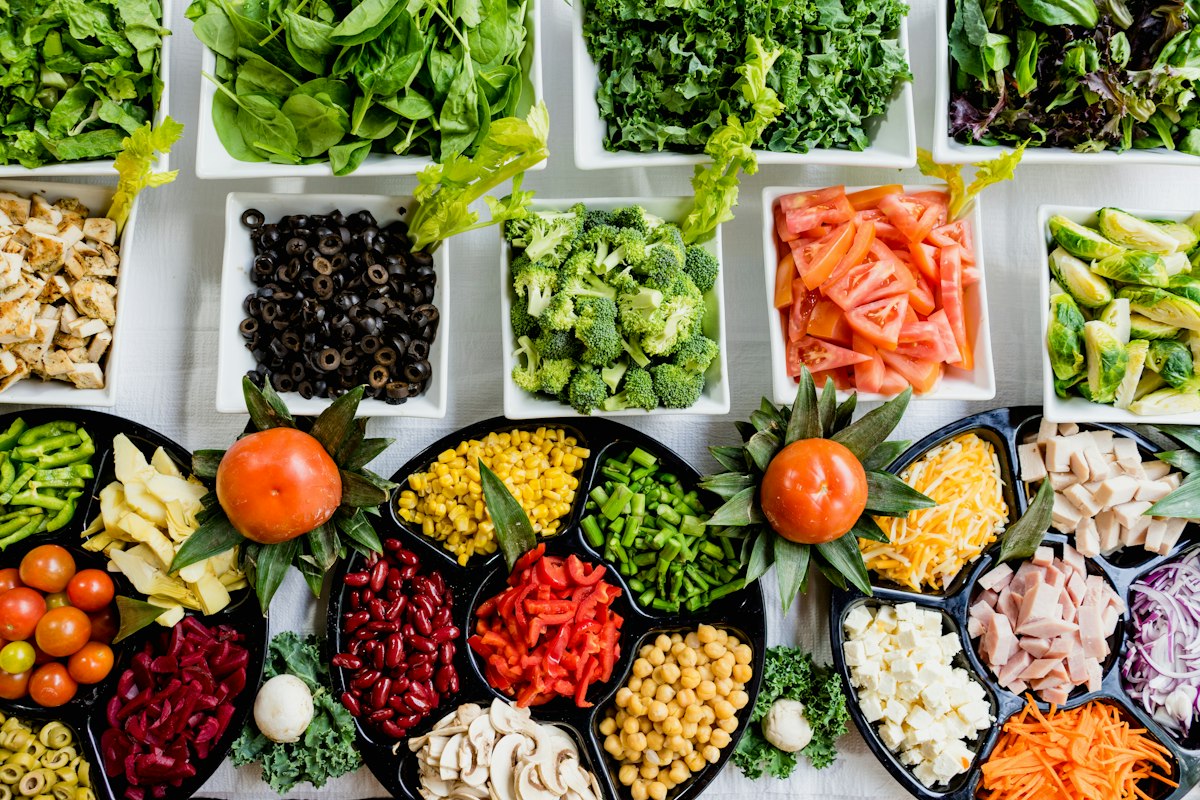
Every cold season, searches for "how to boost your immune system naturally" spike — and with good reason. But the internet is full of products and promises that overstate what a single supplement or superfood can do. The truth is both simpler and more demanding: your immune system reflects your overall lifestyle, not any one magic fix.
This guide focuses only on what research consistently supports — habits, nutrients, and routines that genuinely move the needle on immune health.
1. Prioritize Sleep Above Everything Else
Sleep is the single most powerful thing you can do for your immune system — and the most overlooked. During deep sleep, your body produces cytokines, proteins that your immune system needs to fight infection, inflammation, and stress.
Studies have consistently shown that people who sleep fewer than 6 hours per night are more than four times more likely to catch a cold when exposed to a virus compared to those who sleep 7 hours or more. No supplement compensates for chronic sleep deprivation.
- Adults: 7–9 hours per night
- Consistent sleep and wake times — even on weekends
- Dark, cool room (around 18°C / 65°F)
- No screens 30–60 minutes before bed
2. Eat a Diet Rich in Immune-Supporting Nutrients
No single food boosts immunity, but a pattern of eating matters enormously. The immune system requires a wide range of vitamins and minerals to function well. Deficiencies — even mild ones — can impair your response to pathogens.
| Nutrient | Role in Immunity | Best Food Sources |
|---|---|---|
| Vitamin C | Supports white blood cell production | Citrus, bell peppers, broccoli, kiwi |
| Vitamin D | Regulates immune response | Fatty fish, egg yolks, sunlight, fortified foods |
| Zinc | Required for immune cell development | Pumpkin seeds, beef, chickpeas, cashews |
| Selenium | Antioxidant that reduces inflammation | Brazil nuts, tuna, sunflower seeds |
| Probiotics | Support gut-based immune function | Yogurt, kefir, sauerkraut, kimchi |
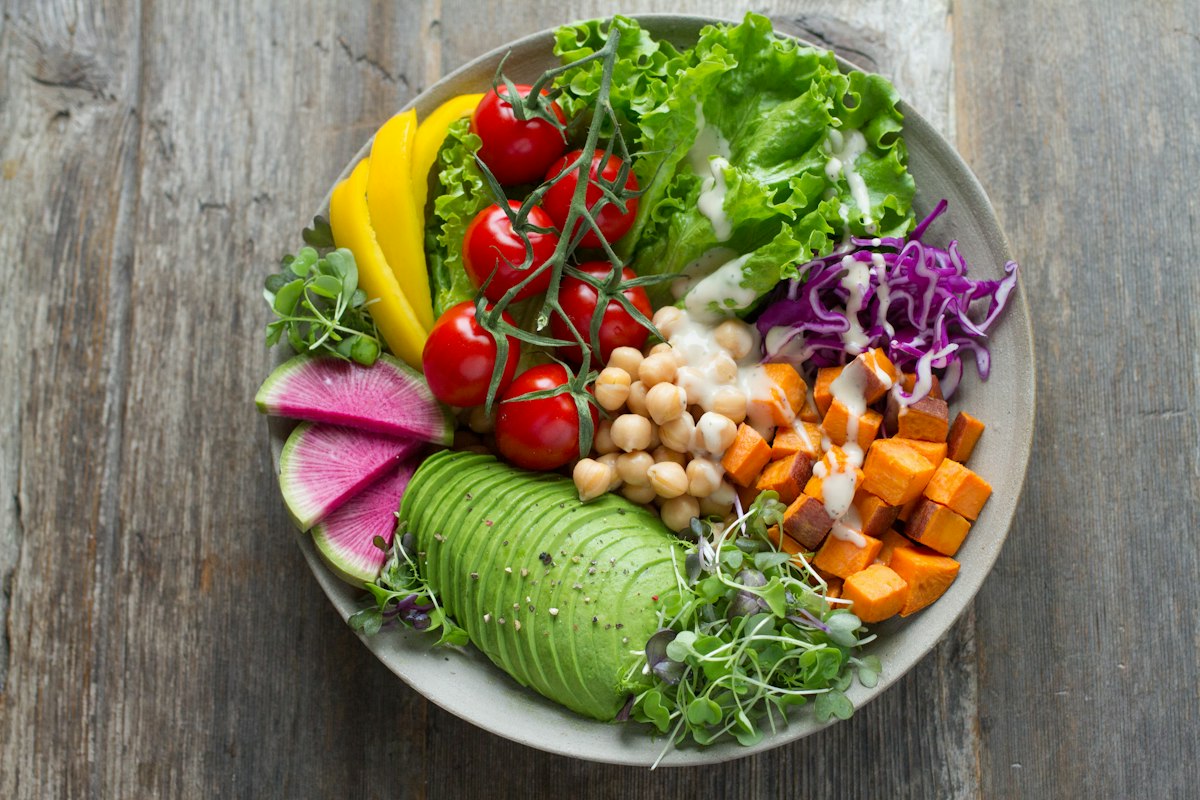
3. Move Your Body — But Do Not Overdo It
Moderate, regular exercise is one of the most well-documented ways to support immune function. It increases circulation of immune cells, reduces inflammation markers, and improves sleep quality — all of which strengthen your defenses.
The key word is moderate. Intense overtraining — such as running marathons without adequate recovery — can actually suppress immunity temporarily. Aim for 150 minutes of moderate activity per week: brisk walking, cycling, swimming, or strength training.
4. Manage Chronic Stress
Short-term stress is manageable and even beneficial. But chronic, ongoing stress elevates cortisol levels, which over time suppress the immune response and increase inflammation. This is why people under sustained stress get sick more often and take longer to recover.
Mindfulness meditation (even 10 minutes daily), deep breathing exercises, regular time in nature, social connection, journaling, and limiting news consumption — all have measurable effects on cortisol and immune markers.
5. Stay Hydrated
Water is essential for producing lymph, which carries white blood cells and other immune cells throughout the body. Dehydration slows this transport system and impairs your body's ability to flush out toxins and pathogens.
Most adults need around 2–2.5 liters of water per day, more in hot climates or when exercising. Herbal teas — particularly ginger, echinacea, and elderberry — also provide hydration with additional anti-inflammatory compounds.
6. Avoid Smoking and Limit Alcohol
Both smoking and excessive alcohol consumption directly impair immune function. Smoking damages the respiratory tract — your first line of defense — and reduces the effectiveness of immune cells throughout the body. Alcohol disrupts gut bacteria, impairs white blood cell activity, and disrupts sleep quality, creating a compounding negative effect on immunity.
7. Support Your Gut Health
Approximately 70% of your immune system lives in your gut. The trillions of bacteria in your digestive tract — your microbiome — play a central role in regulating immune responses, reducing inflammation, and protecting against pathogens.
To support your gut: eat plenty of fiber from vegetables, fruits, legumes, and whole grains; include fermented foods regularly; limit ultra-processed foods and artificial sweeteners; and avoid unnecessary antibiotic use, which disrupts the microbiome.
8. Get Adequate Sunlight and Consider Vitamin D
Vitamin D deficiency is remarkably common — estimated to affect over a billion people worldwide — and is strongly linked to weakened immune response. Sunlight triggers vitamin D production in the skin, but many people, especially in northern climates or those who work indoors, do not get enough.
If you live in a low-sunlight region, consider getting your vitamin D levels tested and supplementing if needed. A daily dose of 1,000–2,000 IU is commonly recommended for maintenance, but always check with a healthcare provider for your specific needs.

9. Maintain a Healthy Weight
Obesity is associated with chronic low-grade inflammation and altered immune function. Excess body fat — particularly visceral fat around the organs — releases inflammatory compounds that interfere with normal immune signaling. Achieving and maintaining a healthy weight through balanced eating and regular activity supports both immune efficiency and overall health.
10. Stay Up to Date With Vaccinations
Vaccines work by training your immune system to recognize and fight specific pathogens before you are ever exposed to them. They are among the most effective immune-support tools available and complement every other habit on this list. Annual flu shots, COVID boosters, and other recommended vaccines are part of a complete approach to immune health.
FAQ — Immune System
What foods naturally boost your immune system?
Foods rich in vitamins C and D, zinc, and antioxidants support immunity best. These include citrus fruits, leafy greens, garlic, ginger, berries, nuts, and fatty fish like salmon.
Does sleep really affect your immune system?
Yes. During deep sleep your body produces cytokines — proteins that fight infection and inflammation. Consistently getting fewer than 7 hours a night significantly weakens immune response.
Can stress weaken your immune system?
Chronic stress raises cortisol levels, which suppresses immune function over time. Short-term stress is manageable, but long-term stress is one of the biggest immune disruptors you can control.
How long does it take to strengthen your immune system?
Consistent healthy habits — good sleep, balanced nutrition, regular movement, and stress management — can produce measurable improvements in immune markers within 4 to 8 weeks.
Final Thoughts
Boosting your immune system naturally is not about one habit — it is about building a lifestyle that gives your body what it needs consistently. Sleep, nutrition, movement, stress management, and hydration work together as a system. Start with whichever area is weakest for you right now, and build from there.


Comments
Post a Comment