Hidden Gems of Tbilisi: Georgia's Most Underrated City Guide
Hidden Gems of Tbilisi: Georgia's Most Underrated City Guide
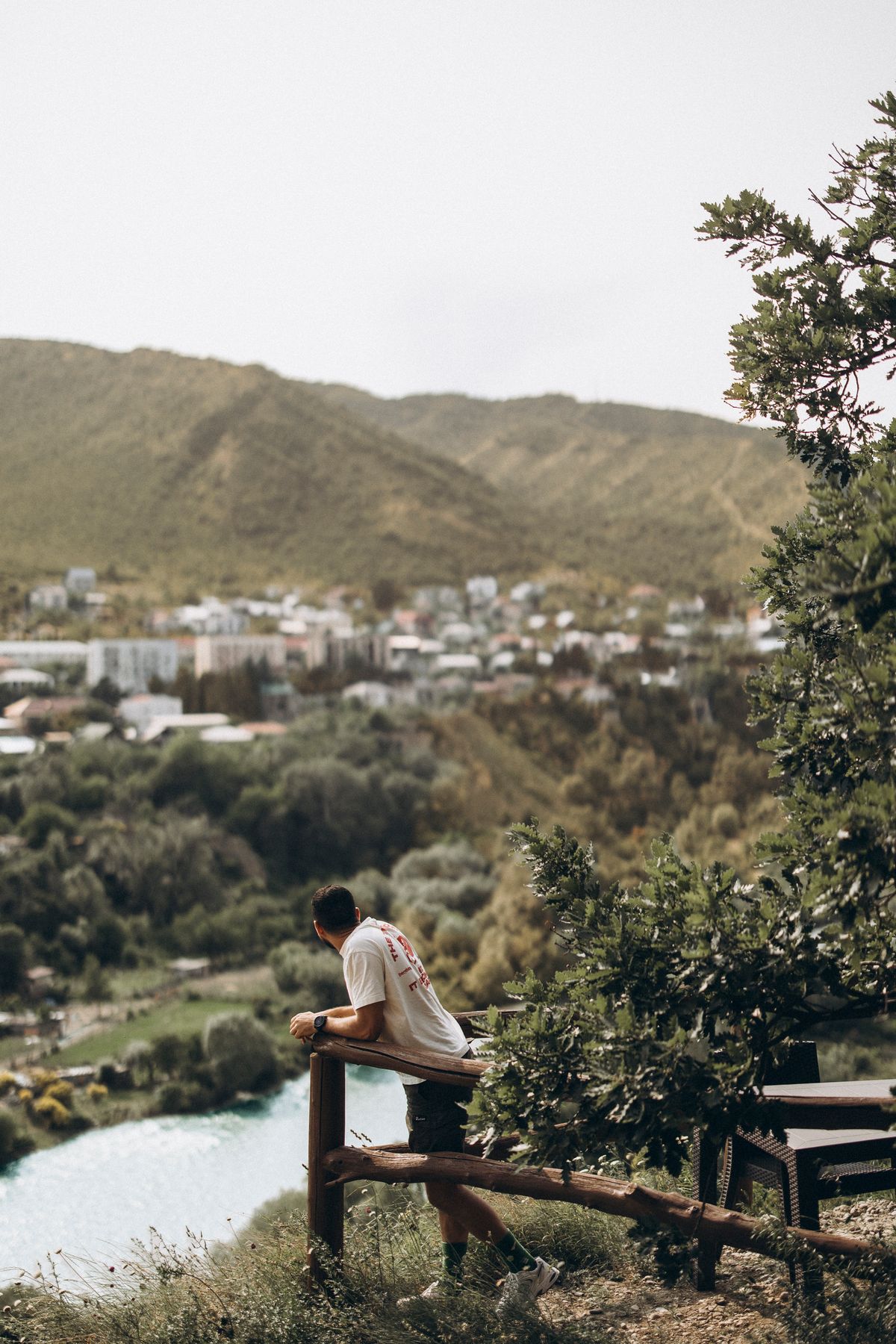
Close your eyes and picture this: you are sitting on a carved wooden balcony draped in bougainvillea, sipping amber wine from a clay cup, as the scent of sulfur drifts up from the ancient bathhouses below, and across the river a 4th-century fortress glows golden in the last light of afternoon. This is Tbilisi — and almost nobody you know has been here yet.
Georgia's capital is one of those rare cities that feels genuinely discovered rather than packaged for tourism. Its old town is a labyrinth of peeling façades, hidden courtyards, and Orthodox churches wedged between Persian-era caravanserais. Its wine culture is the oldest on earth. And its people treat strangers with a warmth that feels almost impossible in an era of over-tourism.
If you are searching for a destination that offers Europe's aesthetics, the Caucasus's history, and a travel experience that still feels real — Tbilisi deserves to be at the top of your list.
⚡ Quick Facts — Tbilisi, Georgia
| Detail | Info |
|---|---|
| 🌍 Country | Georgia (South Caucasus) |
| 🗣️ Language | Georgian (English widely spoken in tourist areas) |
| 💵 Currency | Georgian Lari (GEL) — verify current rates before travel |
| ⏰ Time Zone | UTC+4 (Georgia Standard Time) |
| 🌤️ Best Time | April–June / September–October |
| ✈️ Airport | Tbilisi International Airport (TBS) |
| 🔌 Power | Type C/F — 220V |
🏛️ Top Experiences in Tbilisi You Cannot Miss
1. Wander the Old Town (Kala District)
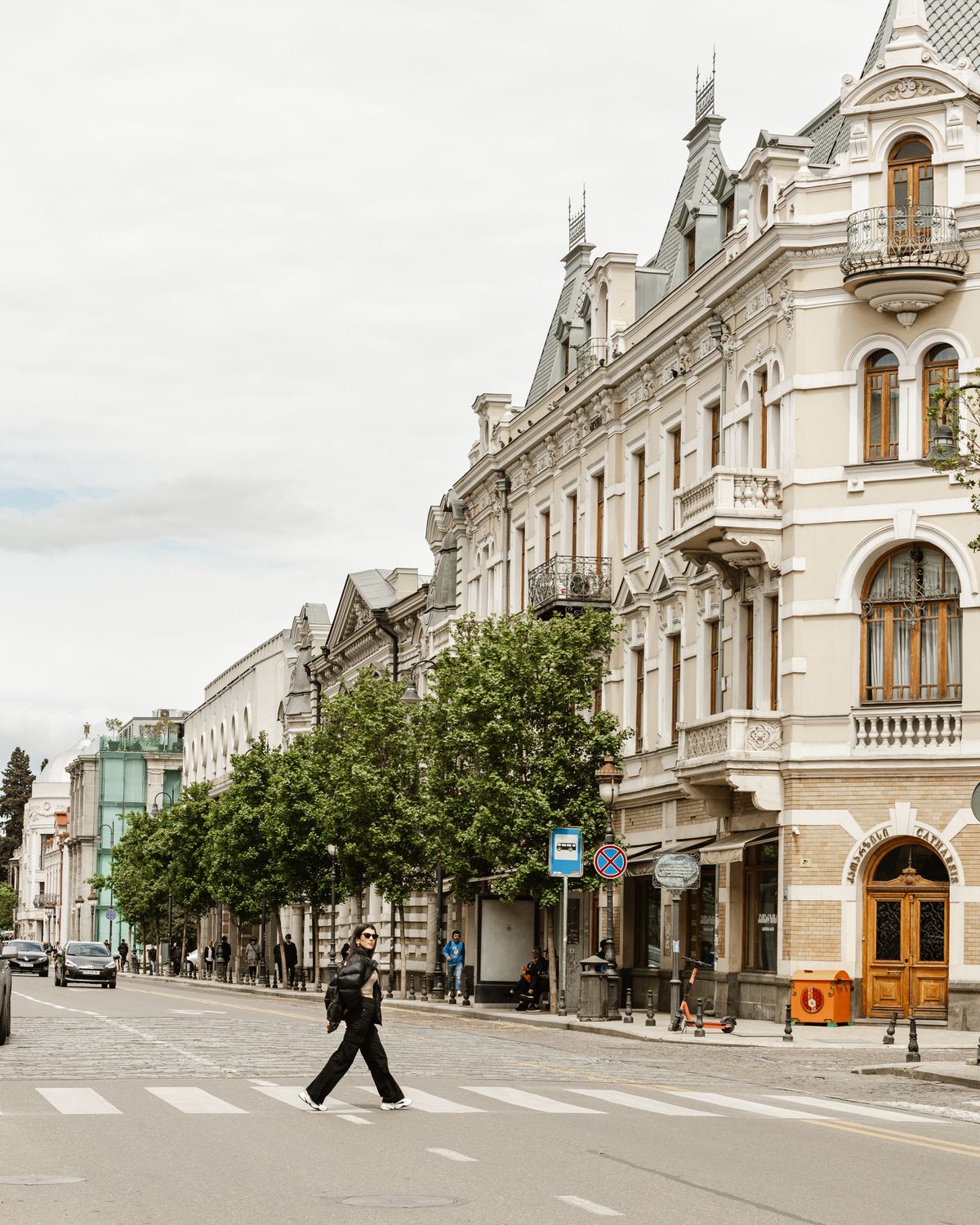
The historic core of Tbilisi is best explored on foot with no particular plan. Every turn reveals a surprise: a Persian-style caravanserai converted into a boutique hotel, a tiny wine shop run by a grandmother, a crumbling synagogue next to an Armenian church next to a mosque — all within a single city block. The architectural style here, with its intricately carved wooden balconies, is unlike anything else in the world.
2. Soak in the Abanotubani Sulfur Baths
The Abanotubani district, with its distinctive dome-shaped bathhouses, is where Tbilisi began. According to legend, King Vakhtang Gorgasali discovered the city in the 5th century when his hunting hawk fell into a hot spring here. Today, you can book a private room in one of the historic bathhouses and soak in natural sulfur-rich water. The experience is deeply relaxing and genuinely unique to Tbilisi.
3. Climb to Narikala Fortress at Sunset
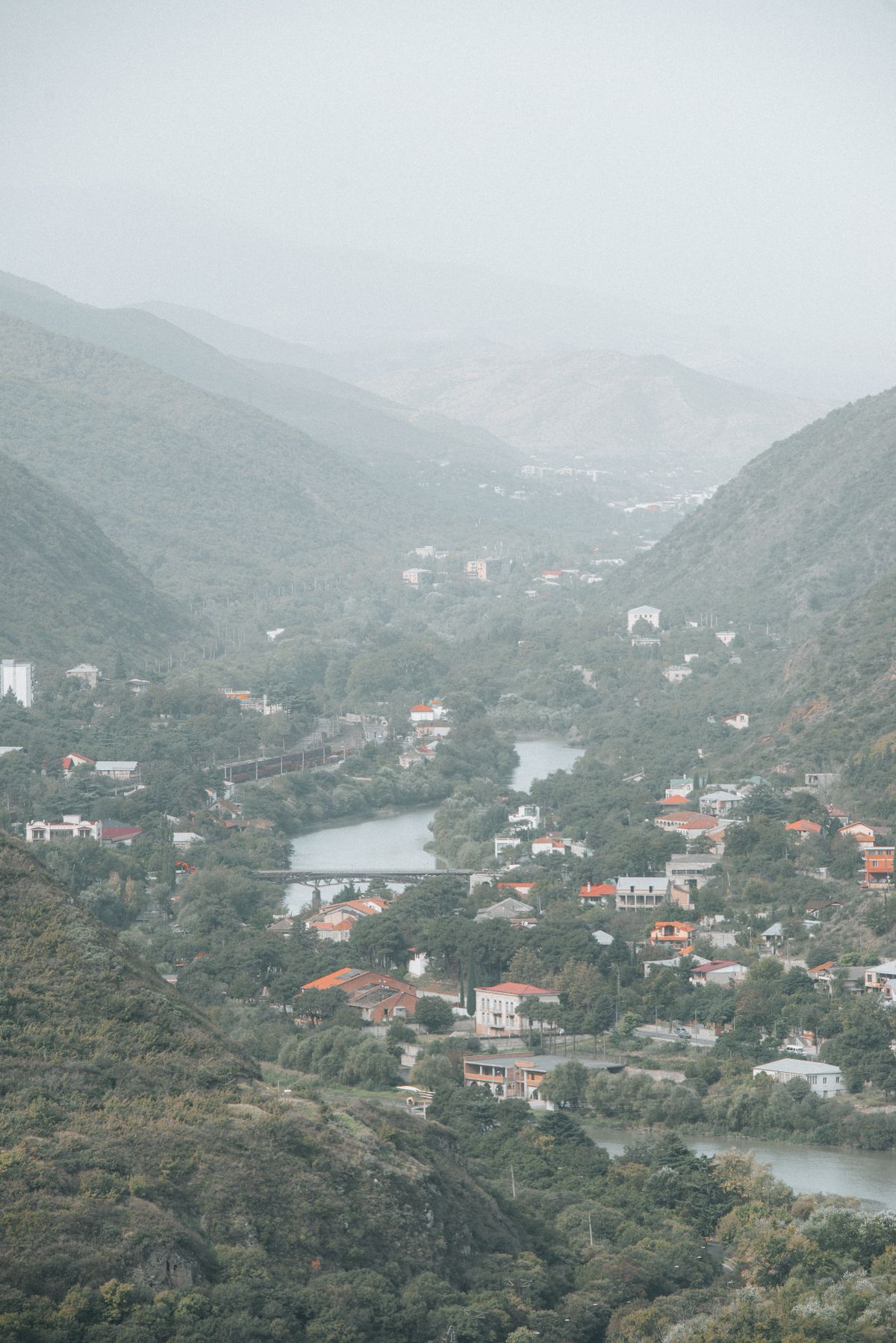
Perched above the Old Town, the ruins of Narikala Fortress date back to the 4th century. You can hike up through a park or take the cable car from Rike Park. Either way, arrive 30 minutes before sunset — the view over the Mtkvari River as the city turns amber is among the most beautiful urban panoramas in the Caucasus.
4. Explore Georgia's Ancient Wine Culture
Georgia is where wine was invented — archaeologists have found 8,000-year-old wine jars here. In Tbilisi, the natural wine movement is alive and thriving. Spend an evening in the wine bars of Vera or Sololaki neighborhoods, where local winemakers pour amber wines made in traditional clay qvevri vessels buried underground. It is a tasting experience unlike any wine bar in Europe.
5. Visit the Dry Bridge Flea Market
Every morning, locals set up an open-air antiques market on the Dry Bridge over the Mtkvari River. You will find Soviet-era cameras, hand-painted icons, old maps, military medals, and vintage jewelry — all at negotiable prices. Even if you do not buy anything, walking through it is a window into Georgia's layered history.
6. Day Trip to Mtskheta — the Spiritual Heart of Georgia
Just 20 kilometers from Tbilisi, the ancient city of Mtskheta was Georgia's first capital and remains its spiritual center. The Svetitskhoveli Cathedral, built in the 11th century, is a UNESCO World Heritage Site and one of the most important Christian monuments in the Caucasus. The drive there winds through hills covered in grapevines and walnut groves.

🍽️ Where to Eat and Drink in Tbilisi
Georgian food is extraordinary and largely unknown to the outside world. Do not leave without trying khinkali (giant soup dumplings eaten by hand), khachapuri (cheese-filled bread that comes in wildly different forms across regions), and pkhali (cold vegetable dishes with walnut paste that are both light and deeply flavored).
For dining, the Fabrika complex — a converted Soviet textile factory — houses some of the city's most interesting restaurants, bars, and creative spaces. For a more traditional experience, look for family-run restaurants in the Old Town with handwritten Georgian menus on chalkboards outside.
✈️ How to Get There and Around
| Option | Details |
|---|---|
| ✈️ By Air | Tbilisi International Airport (TBS) is served by airlines from Europe, the Middle East, and Asia. Check current schedules — flight options and prices change. |
| 🚆 Airport → City | The Tbilisi Express train is the fastest and most affordable link. Taxis and Bolt are also widely available. |
| 🚇 In the City | Tbilisi has a clean metro system. For the Old Town, walking is best. Bolt covers longer distances easily. |
| 🚌 To Mtskheta | Shared marshrutka (minibus) from Didube terminal — the most local and affordable day-trip option. |
🧳 Practical Tips Before You Go
- Visa: Many nationalities enter visa-free. Always verify current requirements via official Georgian government sources.
- Language: Georgian script is unlike any other. Use Google Translate's camera mode — it is a lifesaver here.
- Cash: Cards are increasingly accepted, but carry Georgian Lari for markets, bathhouses, and small restaurants.
- Safety: Tbilisi is generally safe. Be mindful of traffic — Georgian driving can be enthusiastic.
- Dress Code: Cover shoulders and knees when entering Orthodox churches. Scarves are usually available at entrances.
- SIM Card: Local SIMs from Magti or Geocell are inexpensive and available at the airport. Coverage in Tbilisi is excellent.
❓ Frequently Asked Questions
Is Tbilisi safe for solo travelers?
Tbilisi is generally considered one of the safer cities in the region. Locals are famously hospitable and crime rates are low. As with any destination, stay aware of your surroundings at night and keep valuables secure.
Do I need a visa to visit Georgia?
Citizens of many countries — including the US, EU, and UK — can enter Georgia visa-free for extended periods. Always verify current entry requirements on the official Georgian e-Visa portal before planning your trip.
What is the best time to visit Tbilisi?
Spring (April–June) and early autumn (September–October) are ideal. The weather is mild, the city is lively, and the surrounding vineyards are beautiful. Summers are hot; winters are mild and quiet.
What currency is used in Georgia?
The Georgian Lari (GEL) is the national currency. ATMs are widely available. Credit cards are accepted at most hotels and restaurants — carry some cash for markets and smaller establishments.
How long should I spend in Tbilisi?
Three to four days covers the main city highlights plus a day trip to Mtskheta. For Kazbegi, the Kakheti wine region, or the cave city of Vardzia, plan at least a week in Georgia.
Tbilisi Is Waiting — And It Won't Stay Hidden Forever
There is a window of time — and it is shrinking — when you can walk through Tbilisi's Old Town and feel like you discovered something the world has not yet found. The ancient wine, the carved balconies, the sulfur steam rising at dawn — all of it feels like a secret shared between the city and the few travelers wise enough to come. Book the flight before the secret gets out.


Comments
Post a Comment