10 Small Habits That Quietly Transform Your Entire Life
10 Small Habits That Quietly Transform Your Entire Life
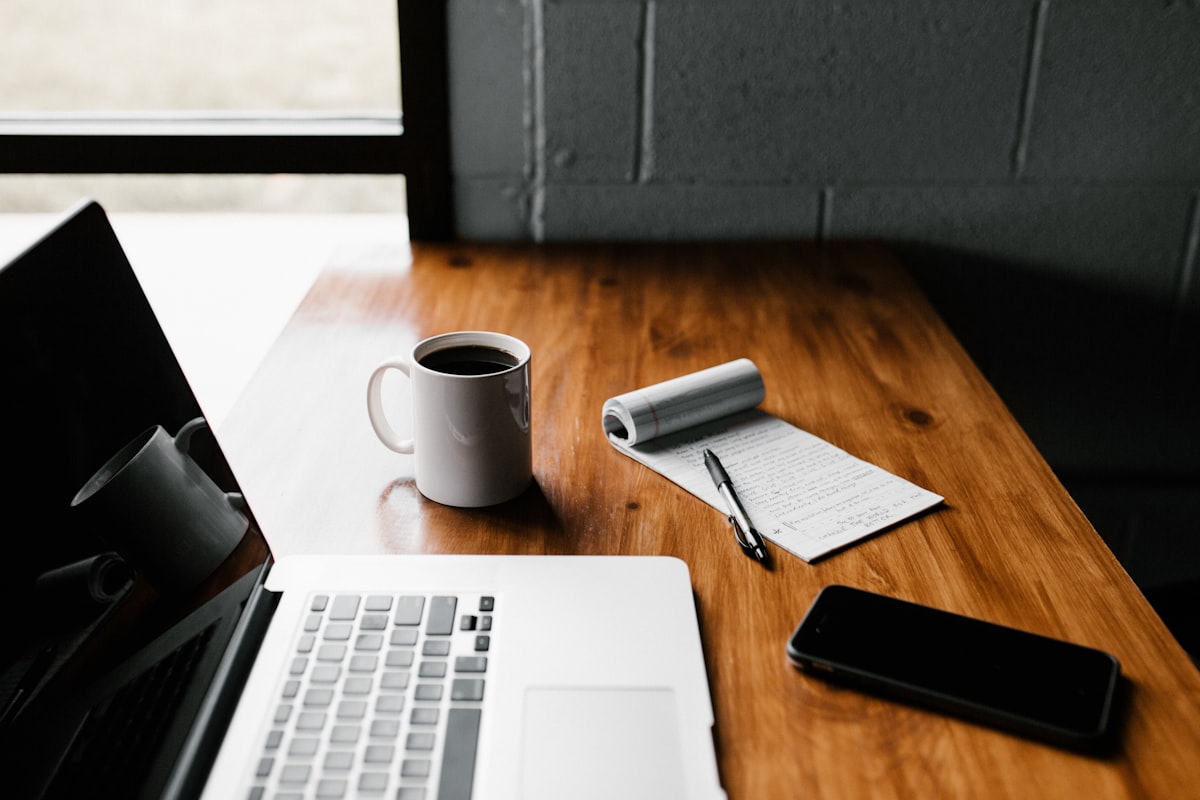
Big life changes rarely come from big decisions. They come from small things you do every single day — things that seem almost too simple to matter. The habits below will not demand hours of your time or massive willpower. But if you stick with them, you will look back in a year and barely recognize how quietly your life has shifted.
None of these habits are new ideas. What makes them powerful is not their novelty — it is the consistency behind them. One habit practiced daily for a year outperforms a hundred habits tried once. Pick the ones that feel most natural to you and start there.
The 10 Habits
Drink Water Before Anything Else
Your body is mildly dehydrated every morning after hours without water. One full glass before coffee, before your phone, before anything — wakes up your digestion, clears mental fog, and gives your body exactly what it needs to start. Ten seconds. Every morning. The simplest habit on this list and one of the most impactful.
Make Your Bed Every Morning
It takes 90 seconds and it is the first small win of your day. A made bed signals to your brain that the day has started with intention. It also means that no matter how chaotic your day becomes, you will return to a room that feels calm and in order. Small environment, big effect on your mood.
Write One Thing You Are Grateful For
Not a full gratitude journal — just one line. One genuine thing that you appreciate today. Research consistently shows that people who regularly acknowledge what is good in their lives report lower stress, better sleep, and stronger relationships. One sentence. One minute. Done.
Move for at Least 10 Minutes
Not a full workout — a walk, a stretch, a few minutes of movement that gets your blood circulating. The goal is simply to break the stillness of the morning or afternoon. Ten minutes of walking has measurable effects on mood, energy, and focus that last for hours afterward. You do not need a gym to get this benefit.

Read for 15 Minutes Before Sleep
Not scrolling — reading. A book, a long article, anything that demands focus and takes you away from screens. Reading before bed slows your nervous system, prepares your brain for sleep, and over months adds up to dozens of books you would never have finished otherwise. Fifteen minutes a night is about 20 books a year.
Put Your Phone Away 30 Minutes Before Bed
The blue light from screens suppresses melatonin — the hormone that tells your body it is time to sleep. But the bigger issue is mental: social media and news keep your brain stimulated and alert right when it needs to wind down. Thirty minutes of phone-free time before sleep measurably improves sleep quality and how rested you feel in the morning.
Identify Your One Most Important Task Each Day
Every morning, ask yourself: if I could only accomplish one thing today, what would it be? Write it down. Do it first, before emails, before meetings, before distractions arrive. This single habit separates people who feel productive from people who are productive. Most of us fill our days with activity while the one thing that actually matters waits.
Keep a Tidy Space Around You
Your environment constantly communicates with your brain. A cluttered desk creates a cluttered mind — studies on cognitive load show that visual disorder competes for your attention even when you are not looking at it. You do not need a perfectly minimalist home. You just need a clear surface where you work and rest. Five minutes of tidying changes how you feel in a space.
Reach Out to One Person You Care About
A text, a short call, a voice message — something that says "I thought of you." Strong relationships are the single biggest predictor of long-term happiness across decades of research. But relationships do not maintain themselves. They are built in small moments, not grand gestures. One genuine message a day keeps your closest connections alive and warm.
End Each Day With a Two-Minute Review
Before you sleep, ask yourself two questions: what went well today, and what would I do differently? Not to judge yourself — to learn from yourself. This two-minute habit builds self-awareness faster than almost anything else. Over weeks, you start to notice patterns in what drains you and what energizes you, and you naturally adjust your life toward more of the good.
How to Actually Start — Without Overwhelming Yourself
Looking at a list of 10 habits can feel like a new burden rather than an invitation. Here is the only rule you need:
Pick one. Just one. The one that feels easiest, most natural, or most needed right now. Do it every day for two weeks before adding anything else. One habit done consistently is worth more than ten habits tried once.
- Week 1–2: Choose one habit and make it non-negotiable.
- Week 3–4: Add a second habit and stack it next to the first.
- Month 2 onward: Add one new habit each time the previous one feels automatic.
Key Takeaways
- Small habits compounded daily produce bigger results than occasional big efforts.
- Drink water first thing — your body needs it before anything else.
- One made bed, one gratitude line, one daily priority — these tiny actions shape your mindset.
- Ten minutes of movement is enough to shift your energy and mood for hours.
- Reading 15 minutes before sleep adds up to roughly 20 books per year.
- Thirty minutes without your phone before bed dramatically improves sleep quality.
- Strong relationships are built in small daily moments, not grand gestures.
- A two-minute evening review builds more self-awareness than hours of overthinking.
- Pick one habit first. Add more only after the first feels automatic.
Frequently Asked Questions
How long before small habits start showing results?
Most people notice subtle shifts in mood and energy within the first two weeks. More visible changes in focus, sleep quality, and overall wellbeing typically appear after 30 to 60 days of consistent practice. The effects are gradual but they compound significantly over time.
Should I try to build all 10 habits at once?
No — and this is the most common mistake. Trying to adopt too many habits at once almost always leads to abandoning all of them. Start with one habit that feels natural, practice it for at least two weeks, and only then consider adding another.
What if I miss a day?
Missing one day does not break a habit. The rule is simple: never miss twice in a row. One missed day is a pause. Two consecutive missed days is the beginning of a broken habit. The day after you miss is the most important day — showing up then is what keeps the habit alive.
Which of the 10 habits should I start with?
Start with the one that feels easiest. The goal in the beginning is not transformation — it is just proving to yourself that you can show up consistently. Drinking water first thing in the morning or making your bed are both excellent starting points because they are fast, simple, and give you an immediate sense of accomplishment.
Can these habits really change your life in a meaningful way?
Yes — but not dramatically or overnight. What changes is the direction of your life. Each small habit slightly adjusts your energy, mindset, relationships, or clarity. Over months and years, those adjustments add up to a life that feels noticeably more intentional, calm, and fulfilling than one lived without them.
Is there a best time of day to build new habits?
Morning is the most reliable window for most people because it happens before the day's demands take over. However, the best time is whichever time you can protect consistently. A habit done at 9 PM every day is infinitely better than one planned for 6 AM that never actually happens.
You do not need to overhaul your life this week. You just need to start somewhere — one glass of water, one made bed, one quiet moment of intention. The transformation is already happening the moment you begin.
📝 Disclaimer: The content in this article is for general informational and inspirational purposes only. It reflects personal lifestyle perspectives and general wellness tips, not professional medical, psychological, or financial advice. Always consult a qualified professional before making significant life changes.


Comments
Post a Comment